How to Overwinter Golden dewdrops
1
Golden dewdrops are tropical flora unable to withstand freezing temperatures, necessitating particular attention in colder months.
2
Successful winter readiness for Golden dewdrops involves trimming, tidying, and checking for pests.
3
Bringing plants indoors for winter demands a spot with sufficient light, ideal warmth, and regulated irrigation.
Understanding Golden dewdrops and Their Frost Sensitivity
Understanding Golden dewdrops and Their Frost Sensitivity
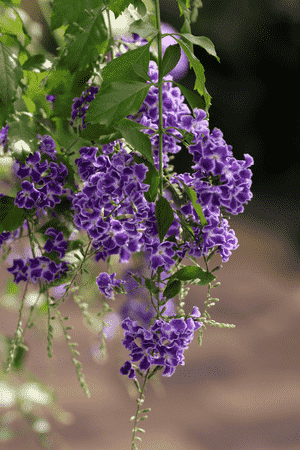
The vibrant Golden dewdrops (Duranta erecta) is a favorite among gardeners for its beautiful blue flowers and golden berries. However, it is a tropical plant native to the Americas and known to be frost-tender. This means that temperatures dipping below 0°C (32°F) can be fatal to the plant, making effective winter care crucial for its survival in cooler climates.
Preparing Golden dewdrops for Winter
When to Start Preparing
The best time to begin winter preparations for your Golden dewdrops is in early autumn, before the first frost. This typically aligns with late September to early October in many regions. Be proactive by monitoring weather forecasts and the specific climate of your area.
Pruning and Cleaning
Pruning is a critical step in preparing Golden dewdrops for winter. Start by removing any dead or diseased leaves and branches. Also, thin out the plant to improve air circulation. This not only helps in reducing the risk of diseases and pests but also makes the plant more manageable for indoor relocation. Always use sterilized pruning shears to prevent cross-contamination.
Inspecting for Pests
Before bringing your Golden dewdrops indoors, a thorough inspection for pests is important. Look out for common invaders such as aphids, spider mites, and whiteflies. Use a mild insecticidal soap solution if you find any pests. This step ensures that you don't introduce pests to your indoor plantscape.
Overwintering Indoors: Steps for Golden dewdrops
Choosing the Right Location
Choose a spot inside your home that receives ample sunlightâideally a south-facing window. Golden dewdrops require a lot of light, around 6-8 hours per day, to thrive indoors during winter. If natural light is insufficient, consider using grow lights to supplement.
Optimal Light and Temperature
Ensure that the indoor temperature remains between 15°C (59°F) and 24°C (75°F). Sudden temperature fluctuations can stress the plant. Furthermore, aim to position the plant away from drafts, heating vents, and fireplaces, which can dry out the plant.
Watering and Humidity Control
Indoor humidity levels can drop significantly in winter. Maintain humidity around your Golden dewdrops by placing a humidity tray nearby or using a room humidifier. Water the plant sparingly, keeping the soil moist but not waterlogged. Overwatering can cause root rot, a common issue in indoor environments.
Can Golden dewdrops Be Left Outside?
Using Mulches and Covers
In milder climates where freezing temperatures are rare, it is possible to leave Golden dewdrops outside with proper precautions. Apply a thick layer of mulch around the base of the plant to insulate the roots. Use frost covers or blankets to shield the plant during exceptionally cold nights.
Building Protective Structures
For additional protection, consider building a simple greenhouse or a cold frame around the plant. These structures can provide a buffer against frost by trapping heat and reducing exposure to cold winds. Ensure that these protective structures havenât trapped any pests or fungal diseases, which could propagate under the cover.
Checking for Damages in Spring
Assessing Plant Health
Once the risk of frost has passed in spring, usually around March or April, carefully inspect your Golden dewdrops for any winter damage. Look for signs of frostbite such as blackened leaves or stems. Gently scrape the bark with a fingernail; green beneath the surface indicates the plant is still alive.
Reviving and Pruning Back
Prune back any damaged or dead parts of the plant to stimulate new growth. Trim back to healthy wood to encourage vibrant resurgence. Resume a regular watering and fertilization schedule, gradually reintroducing the plant to outdoor conditions. Start by placing it in a shaded area and gradually moving it to full sun.



