How to Overwinter Dragon tree
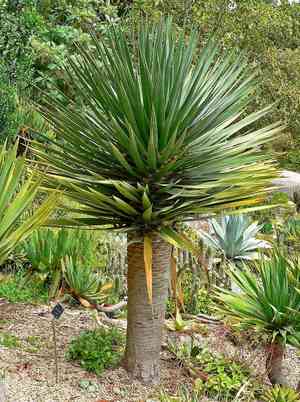
1
The Dragon tree is a delicate plant, meaning it cannot withstand freezing temperatures and must be brought inside during winter in colder regions.
2
In winter, the Dragon tree thrives in temperatures ranging from 16-24°C (60-75°F) with elevated humidity.
3
Consistent checks and care are essential for keeping your Dragon tree in good health all winter long.
What Are the Requirements for Overwintering Dragon tree?
What Are the Requirements for Overwintering Dragon tree?
Overwintering your Dragon tree is essential if you reside in a region where temperatures fall below freezing. As a delicate plant, it cannot endure frost and must be moved indoors once the outdoor temperature drops below 10°C (50°F). The objective is to establish an indoor setting that replicates its natural environment, providing adequate light, humidity, and temperature conditions.
Preparing Your Dragon tree for Winter
Inspecting the Plant for Pests and Diseases
Before bringing your Dragon tree indoors, thoroughly examine it for pests and diseases. Look for common problems such as spider mites, mealybugs, and scale. Use a magnifying glass if necessary to spot tiny pests. If you discover any infestation, treat the plant with an appropriate insecticidal soap or neem oil before relocating it inside. This prevents pests from spreading to your other indoor plants.
Pruning Dead or Damaged Leaves
Removing dead or damaged leaves from your Dragon tree not only enhances its appearance but also helps it conserve energy during the colder months. Use sharp, clean scissors to trim off any brown or yellow foliage. Be sure to make clean cuts to avoid harming the healthy parts of the plant. Pruning also promotes better air circulation around the plant, reducing the risk of fungal diseases.
Creating the Ideal Indoor Environment
Proper Lighting Conditions
In its native habitat, Dragon tree thrives with ample indirect sunlight. When kept indoors during winter, position it near a bright window where it can receive filtered light. Avoid direct sunlight as it can scorch the leaves. If natural light is insufficient, consider using grow lights to supplement. Aim for at least six hours of light daily to keep your Dragon tree flourishing.
Maintaining Humidity Levels
Winter indoor air tends to be dry, which can stress your Dragon tree. To maintain ideal humidity levels of around 40-50%, use a humidifier or place a tray of water near the plant. You can also mist the leaves regularly with water. Additionally, grouping plants together can create a microenvironment with higher humidity.
Optimal Temperature Settings
The Dragon tree prefers temperatures between 16-24°C (60-75°F). Avoid placing it near drafty windows, heating vents, or fireplaces to prevent sudden temperature changes. If your indoor temperature tends to fluctuate, consider using a thermostat-controlled heater or a fan to maintain a consistent environment.
Watering and Fertilizing During Winter
Adjusting the Watering Schedule
During winter, your Dragon tree will enter a period of slower growth, meaning it requires less water. Allow the top 2.5-5 cm (1-2 inches) of soil to dry out between waterings. Overwatering can lead to root rot, which is especially problematic in colder months. When watering, ensure the excess drains out to prevent water from sitting at the base.
Using the Right Type of Fertilizer
Reduce fertilizing your Dragon tree during winter, as it won't need as many nutrients while its growth slows. Use a balanced, water-soluble fertilizer at half-strength once a month or skip fertilizing altogether. Come spring, you can resume the regular fertilizing schedule to support new growth.
Monitoring Your Dragon tree Throughout the Winter
Regularly Checking for Signs of Stress
Keep an eye on your Dragon tree for signs of stress such as drooping leaves, discoloration, and unusual spots. These can indicate issues such as over or under-watering, pest infestations, or incorrect light levels. Early detection is crucial in addressing problems before they become severe.
Addressing Common Winter Issues
Winter can bring several challenges like leaf drop, fungal infections, and pest problems. If you notice leaf drop, check your watering habits and light conditions. For fungal infections, increase air circulation around the plant and refrain from overhead watering. Use fungicides if necessary. To manage pests, regularly inspect the plant, and if needed, apply insecticidal soap or neem oil.



