How to Overwinter Dieffenbachia
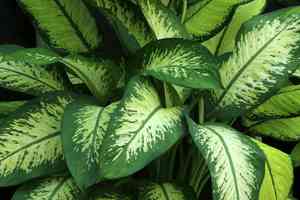
1
Dieffenbachia is a delicate plant, unable to endure freezing conditions.
2
Dieffenbachia's light needs shift in winter, making indoor placement vital.
3
Periodically inspect for pests to maintain Dieffenbachia's health during colder months.
The Importance of Overwintering Dieffenbachia
The Importance of Overwintering Dieffenbachia
Overwintering Dieffenbachia, a popular houseplant known for its vibrant, broad leaves, is crucial for its health and longevity. Native to tropical climates, Dieffenbachia does not tolerate cold temperatures, and any exposure to frost can be detrimental. Overwintering ensures your plant thrives year-round by protecting it from harsh winter conditions. This process involves moving the plant indoors and providing optimal care to replicate its natural environment, ensuring it continues to be an attractive part of your indoor space.
Preparing Dieffenbachia for Winter
Inspecting for Pests and Diseases
Before bringing your Dieffenbachia indoors for winter, thoroughly inspect the plant for any signs of pests or diseases. Common pests include spider mites, aphids, and mealybugs. Check the undersides of leaves and stems for any unusual spots or webbing. If pests are detected, treat the plant with an insecticidal soap or neem oil. Additionally, remove any diseased or damaged leaves to prevent the spread of infection.
Pruning and Cleaning the Plant
Prune your Dieffenbachia to remove dead or yellowing leaves, which helps the plant conserve energy during the lower light conditions of winter. Use clean, sharp scissors to make precise cuts just above a leaf node. Cleaning the leaves with a damp cloth can also remove dust and allow for better photosynthesis, which is crucial for the plantâs health during the reduced light period.
Adjusting Watering Routine
Watering routines need adjustment as Dieffenbachia enters its dormancy phase. Due to reduced light exposure and lower indoor humidity, the plantâs water needs decrease. Water the plant only when the top 2-3 cm (1 inch) of the soil feels dry to the touch. Overwatering can lead to root rot, so always ensure proper drainage by using a pot with drainage holes.
Gradual Acclimatization to Indoor Conditions
To prevent shock, gradually acclimatize your Dieffenbachia to indoor conditions. Start by moving the plant to a shaded outdoor spot for a few days to reduce light intensity. This process helps the plant adapt more smoothly when finally moved indoors. Keep an eye on the plant for any signs of stress, such as drooping or yellowing leaves, and make adjustments as necessary.
Creating the Ideal Indoor Environment
Optimal Lighting for Indoor Dieffenbachia
During winter, Dieffenbachia requires bright, indirect light to thrive. Place it near a north or east-facing window where it can receive sufficient light without the risk of direct sunlight, which can scorch the leaves. If natural light is limited, consider supplementing with fluorescent grow lights positioned about 60-90 cm (2-3 feet) above the plant to provide the necessary light spectrum.
Maintaining Proper Humidity Levels
Dieffenbachia prefers a humid environment, which can be challenging in winter when indoor air becomes dry due to heating systems. Aim to maintain a humidity level of around 60%. You can achieve this by placing a humidifier near the plant, using a pebble tray filled with water, or misting the leaves regularly. Grouping plants together can also help to create a more humid microenvironment.
Temperature Requirements for Winter
Keep Dieffenbachia in a room with stable temperatures ranging from 18-24°C (65-75°F). Avoid placing it near drafts, heaters, or cold windows, as sudden temperature fluctuations can stress the plant. Maintaining a consistent temperature helps the plant remain healthy through the winter months.
Monitoring and Maintaining Your Dieffenbachia Through Winter
Regular Health Checks
Regularly inspect your Dieffenbachia for signs of pests, diseases, and overall health. Look out for changes in leaf color, texture, or signs of stress. Early detection of issues can prevent more serious problems and ensure the plant continues to thrive indoors.
Adjusting Care as Needed
Monitor the environment and adjust care routines as necessary. This may involve tweaking watering schedules, adjusting humidity levels, or moving the plant to a different location to optimize light exposure. Staying responsive to the plantâs needs is key to successful overwintering.
Signs of Stress to Watch For
Watch for signs of stress such as drooping leaves, yellowing, or brown spots. These symptoms can indicate overwatering, underwatering, light issues, or temperature fluctuations. Addressing these signs promptly can help prevent long-term damage to your Dieffenbachia.



