How to Overwinter Garden pink
1
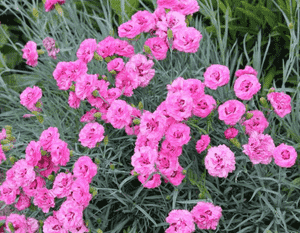
Garden pink plants are recognized for their lovely, aromatic flowers and possess good frost tolerance.
2
Appropriate mulching can protect your Garden pink from cold during freezing conditions.
3
Frequent inspections aid in prompt detection and management of winter stress indicators in Garden pink.
Understanding Garden pink and Its Hardiness
Understanding Garden pink and Its Hardiness
The Garden pink (Dianthus plumarius) is a lovely addition to any garden, valued for its beautiful, pink flowers and pleasant scent. Thriving in USDA hardiness zones 3-9, Garden pink displays excellent resistance to frost. These qualities make it a robust choice for winter, but to ensure its health and vigor through the colder months, specific care steps are crucial. Let's explore how to prepare and safeguard your Garden pink this winter.
Preparing Garden pink for Winter
When to Start Preparation
It's vital to begin readying your Garden pink for winter well before freezing temperatures arrive. Aim to start your preparations in late autumn, around October or November. This timing allows the plant to gradually transition and adapt to the approaching cold.
Pruning and Cleaning Up
Pruning is an essential step in preparing your Garden pink for winter. Begin by cutting back spent blooms and any dead or diseased foliage. This tidying not only encourages healthier growth but also lowers the risk of pests and diseases during dormancy. Remember to use clean, sharp pruning shears to avoid harming the plant.
Mulching Techniques
Mulching acts as an insulating layer for your Garden pink, shielding it from extreme cold. Apply a 5-7 centimeter (2-3 inch) thick layer of organic mulch, such as straw or shredded leaves, around the plant's base. This layer helps retain moisture and keeps the roots warm. Be careful not to cover the crown, as this can lead to rot.
Creating the Right Environment
Ideal Location in the Garden
Choosing the correct spot for your Garden pink can significantly impact its winter survival. Plant it in a location that offers full sun exposure, as this helps the plant store energy and remain healthy during cold months. Also, ensure the spot has good air circulation to reduce the risk of fungal infections.
Soil Requirements
Garden pink prefers well-drained soil. Before the ground freezes, check the soil's drainage capacity. You can enhance drainage by incorporating organic matter like compost into the soil. Additionally, slightly raising the planting bed can prevent water from accumulating around the roots, which can be harmful in winter.
Protecting from Extreme Cold
In areas prone to harsh winters, additional measures might be necessary to protect your Garden pink. Using burlap or frost cloth to cover the plants during exceptionally cold nights can provide extra protection. Ensure the covers are secure but allow for some airflow to prevent moisture buildup.
Watering and Feeding During Winter
How to Water Garden pink in Winter
Watering needs for Garden pink decrease considerably in winter. However, itâs important to maintain slightly moist soil without allowing it to become waterlogged. Typically, watering once every two weeks with about 2.5 centimeters (1 inch) of water should suffice, adjusting based on weather conditions and soil moisture levels.
Fertilization Tips
Feeding your Garden pink during winter requires a gentle approach. Avoid heavy fertilization, as it can stimulate growth vulnerable to frost damage. Instead, apply a slow-release, balanced fertilizer in late autumn to provide essential nutrients throughout the dormant season.
Monitoring Garden pink Throughout Winter
Checking Plant Health Regularly
Regularly inspecting your Garden pink for signs of distress or disease is crucial for maintaining its health. Look for any changes in leaf coloration, wilting, or unusual spots. Early intervention can prevent minor issues from becoming significant problems.
Identifying Signs of Stress
During winter, Garden pink can show signs of stress such as yellowing leaves or stunted growth. These symptoms often indicate overwatering, poor drainage, or exposure to extreme cold. Address these issues promptly by adjusting watering practices, improving soil conditions, or adding protective coverings.



