How to Overwinter String of pearls
1
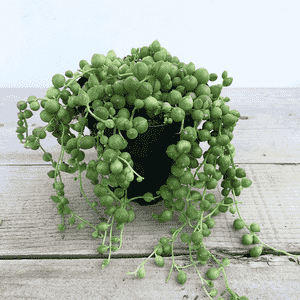
Senecio rowleyanus is a delicate plant unable to endure frosty conditions.
2
Decreasing irrigation in colder periods is essential to prevent root decay.
3
Positioning your plant close to a bright window can satisfy its light needs.
Why is String of pearls Not Frost-Hardy?
Why is String of pearls Not Frost-Hardy?
The String of pearls (Curio rowleyanus) is a charming plant admired for its distinctive, spherical leaves that gracefully trail from hanging containers. However, a key characteristic of this plant is its delicate natureâit cannot withstand frost. Originating from the warm regions of South Africa, it flourishes in consistently mild temperatures. Frost and freezing conditions can severely harm or even kill the plant, making it vital to move it indoors or offer adequate protection when temperatures drop.
Preparing Your String of pearls for Winter
Inspecting for Pests and Diseases
Before relocating your String of pearls indoors, it's crucial to thoroughly examine the plant for any indications of pests or diseases. Common invaders such as spider mites, aphids, and mealybugs can conceal themselves within the plant's crevices. Look for any unusual marks, webbing, or sticky residues on the foliage. If pests are found, treat the plant appropriately with insecticidal soap or neem oil.
Pruning Techniques
Trimming your String of pearls is a beneficial practice to remove any dead, damaged, or diseased stems. This not only helps the plant maintain a tidy and healthy appearance but also prevents potential pests and diseases from establishing themselves. Use sanitized shears to cut back the stems, ensuring you leave some healthy growth to sustain the plant indoors.
Cleaning the Plant
Cleaning your String of pearls before moving it indoors is equally important. A gentle wipe with a damp cloth can eliminate dust and any lingering pests. This cleaning process enhances the plantâs ability to photosynthesize effectively and reduces the risk of pest infestations spreading inside.
Ideal Indoor Conditions for String of pearls During Winter
Light Requirements
During winter, your String of pearls will still require ample light to thrive indoors. Position the plant near a south-facing window where it can receive bright, indirect sunlight for at least 6 hours daily. If natural light is insufficient, consider supplementing with a grow light to provide the necessary illumination.
Temperature and Humidity
String of pearls prefers a consistent indoor temperature between 16-24°C (60-75°F). Keep the plant away from cold drafts, heating units, or vents that can cause temperature fluctuations. Maintaining moderate humidity levels around the plant using a humidity tray or a room humidifier can also be beneficial, especially in winter when indoor air tends to be drier.
Watering Schedule
Watering needs for String of pearls decrease significantly during the colder months. Excessive watering can lead to root rot, a common problem. Aim to water the plant every 2-3 weeks, allowing the soil to completely dry out between waterings. Ensure your pot has drainage holes to prevent water from accumulating at the bottom.
Common Mistakes to Avoid When Overwintering String of pearls
Overwatering
A frequent error is overwatering, which can easily result in root rot. Always verify that the soil feels dry before watering and reduce the frequency during winter.
Lack of Light
String of pearls needs sufficient light even in winter. Insufficient light can cause the plant to become leggy and lose its vibrant green color. Place it near the brightest window or use artificial lighting.
Ignoring Pests
Failing to monitor for pests can lead to infestations that spread to other indoor plants. Regularly inspect and clean the plant to keep it pest-free throughout the winter.
How to Monitor Your String of pearls Throughout Winter
Regular Check-ups
Consistently check your String of pearls for any signs of stress, pests, or diseases. Early detection of issues can prevent major damage. Look for changes in leaf color, wilting, or unusual spots.
Adjusting Care Based on Observations
Adjust your plant care routine based on your observations. If the plant appears too dry, slightly increase watering. If it seems stretched out, provide more light. Be flexible and respond to the plantâs needs as they change through the winter months.



