How to Overwinter Poisonbulb
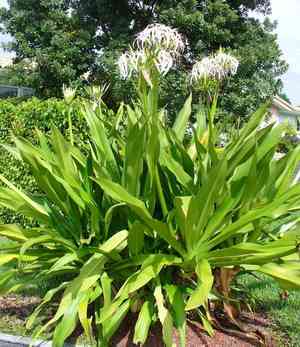
1
The Poisonbulb is a delicate plant, meaning it cannot tolerate frost and low temperatures.
2
Begin readying your Poisonbulb for the cold season once temperatures fall below 10°C (50°F).
3
Appropriate storage environments are crucial: temperatures must remain between 4°C to 10°C (40°F to 50°F) with adequate airflow.
The Importance of Overwintering Poisonbulb
Why Overwinter Poisonbulb?
Overwintering your Poisonbulb is crucial if you reside in a region where temperatures fall below its ideal range. This tropical species thrives in warm conditions and can suffer or even die if exposed to frost. By taking appropriate measures to overwinter your Poisonbulb, you guarantee its health and readiness to rebound in spring. It also helps maintain its beautiful, lush foliage and protects the bulbs from cold weather damage.
Step-by-Step Guide to Overwintering Poisonbulb
Step 1: Inspect and Clean the Plant
Before proceeding, thoroughly examine your Poisonbulb for pests and diseases. Remove any debris or dead leaves from around the base and rinse the plant with a gentle stream of water. This step ensures you begin with a clean, healthy plant free from infections or pest infestations that could complicate overwintering.
Step 2: Prune Unhealthy Leaves
Pruning is an essential step in preparing your Poisonbulb for winter. Remove any yellowed or damaged leaves, cutting them back to where they meet healthy growth. This not only helps the plant conserve energy during colder months but also reduces the risk of disease spreading.
Step 3: Dig Up the Bulbs
Carefully excavate the bulbs using a garden fork or small shovel. Be gentle to avoid damaging them. Once unearthed, shake off excess soil but do not wash the bulbs, as moisture can lead to rot. Inspect the bulbs for any signs of rot or damage and discard any that are unhealthy.
Step 4: Dry and Store the Bulbs
Allow the bulbs to air dry in a warm, well-ventilated area for several days. Once dry, store them in a cool, dry place where temperatures stay between 4°C to 10°C (40°F to 50°F). Use a container with good air circulation, such as a mesh bag or a box filled with peat moss or sawdust to keep them dry and protected.
Step 5: Monitor Storage Conditions
Regularly check the stored bulbs for any indications of rot or mold. Ensure the storage area remains dry and cool, with temperatures consistently between 4°C to 10°C (40°F to 50°F). Proper ventilation is crucial to prevent moisture buildup and ensure the bulbs remain healthy throughout the winter months.



