How to Overwinter Jade plant
1
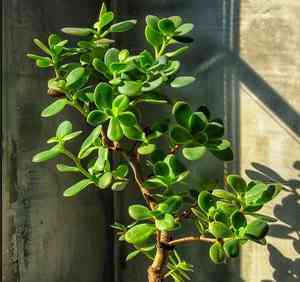
Jade plants originate from South Africa and Mozambique, thriving in warmer environments.
2
For Jade plants, the perfect indoor temperature in winter ranges from 13°C to 24°C (55°F to 75°F).
3
Excessive watering frequently leads to root rot in Jade plants; ensure the soil dries completely before rewatering.
What Are the Risks of Overwintering Jade plants?
What Are the Risks of Overwintering Jade plants?
Keeping your Jade plant through winter can be challenging, especially since these plants originate from warmer regions. The main dangers involve exposure to cold temperatures, insufficient illumination, and improper irrigation practices. Understanding these hazards will help you better prepare and move your Jade plant from outdoors to indoors. For example, frost can harm or even kill your Jade plant, making the timing of its indoor relocation critical. Furthermore, inadequate light and excessively damp conditions can lead to problems such as discolored foliage, root decay, and leaf shedding.
When Should You Bring Your Jade plant Indoors?
Optimal Timing for Indoor Transition
The ideal time to bring your Jade plant inside is before the initial frost. As a delicate plant, it does not tolerate freezing temperatures well. Monitor your local weather forecast to ensure you move your plant indoors before temperatures fall below 10°C (50°F).
Ideal Temperature Ranges
Jade plants flourish in temperatures ranging from 13°C to 24°C (55°F to 75°F). It's crucial to maintain indoor temperatures within this range to prevent stress and ensure robust growth. Avoid placing your Jade plant near drafts or heating vents where temperature fluctuations can occur.
How to Prepare Your Jade plant for Indoor Living?
Cleaning and Inspecting for Pests
Before bringing your Jade plant indoors, thoroughly wipe its leaves with a damp cloth to remove dirt, dust, and any potential pests. Examine the plant closely for signs of insect infestations, such as aphids or spider mites. Treat any pest issues promptly with insecticidal soap or neem oil.
Adjusting to Indoor Light Conditions
Jade plants require bright, indirect light to thrive. Gradually acclimate your plant to indoor conditions by placing it in a well-lit area but away from direct sunlight initially. Over time, you can move it to a south- or west-facing window where it can receive ample light.
Pruning and Care Before Transition
Trim any dead or damaged leaves and branches before bringing your Jade plant indoors. Pruning encourages healthy growth and can help the plant adapt to its new environment. It's also a good time to check the soil for proper drainage and replace it if necessary to avoid waterlogged conditions.
Watering and Humidity Control for Indoor Jade plants
Watering Frequency
Jade plants prefer to dry out between waterings. During winter, reduce your watering frequency to once every 3-4 weeks. Always check the soil moisture by inserting your finger 2-3 cm (1 inch) into the soil; if it feels dry, it's time to water. Avoid overwatering to prevent root rot.
Managing Humidity Levels
While Jade plants are relatively low-maintenance, maintaining the right humidity levels is still important. Aim for a humidity level of around 30-50%. You can use a room humidifier or place a tray of water near the plant to add moisture to the air if needed.
Maintaining Healthy Light Levels Indoors
Best Locations for Indoor Placement
Position your Jade plant in a spot where it can receive at least 4-6 hours of bright, indirect sunlight daily. Ideal locations include south-facing or west-facing windows. If natural light is insufficient, consider moving the plant closer to the window or using sheer curtains to filter the light.
Supplementing with Artificial Light
If your home lacks adequate natural light, you can supplement with artificial light. Use a grow light with a full spectrum to mimic natural sunlight. Position the grow light about 15-30 cm (6-12 inches) above the plant, and leave it on for 12-14 hours a day.
Common Issues When Overwintering Jade plants and How to Fix Them
Dealing with Yellowing Leaves
Yellowing leaves can be a sign of overwatering or lack of light. First, check the soil moisture and adjust your watering schedule accordingly. If overwatering isn't the issue, try moving the plant to a brighter location or using a grow light to ensure it gets enough light.
Preventing Root Rot
Root rot is often caused by overwatering or poor drainage. To prevent it, always use a well-draining soil mix and a pot with drainage holes. Water the plant sparingly, allowing the soil to dry out completely between waterings. If root rot has already set in, remove the affected roots and repot the plant in fresh, dry soil.
Addressing Leaf Drop
Leaf drop can occur due to various stress factors, including changes in light, temperature, and watering habits. Ensure your Jade plant is in a stable environment with consistent light and temperature. Adjust your watering schedule, and avoid sudden changes in the plant's location or care routine.



