How to Overwinter Red pagoda
1
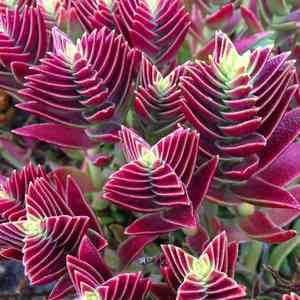
Red pagoda is a semi-hardy succulent needing specific attention to endure winter.
2
Optimal indoor temperatures for Red pagoda during winter are approximately 15-20°C (59-68°F).
3
Excessive watering is a frequent error in winter maintenance for Red pagoda.
The Importance of Overwintering Red pagoda
The Importance of Overwintering Red pagoda
As a semi-hardy succulent, Red pagoda cannot endure extreme cold. In regions where winter temperatures fall below 10°C (50°F), it's vital to shield the plant from frost. Overwintering involves creating a controlled environment for the plant to survive the colder months, ensuring its longevity and robust health. This effort protects your plant from harm and stress, leading to more vibrant growth during the active season.
Preparing Red pagoda for Winter
Plant Inspection and Cleaning
Before moving your Red pagoda indoors, thoroughly check for any indications of pests or diseases. Gently clean the leaves with a damp cloth to remove dust and debris. This step is crucial to prevent pests from entering your home and spreading to other houseplants.
Pruning and Trimming Methods
Pruning is a key step in readying your Red pagoda for winter. Remove any dead or damaged leaves to encourage healthy growth. Trim back elongated stems to promote a more compact form. Pruning helps the plant conserve energy during dormancy and reduces the risk of rot.
Pest and Disease Management
Effective pest and disease control is essential for successful overwintering. Examine the plant for common pests like aphids, mealybugs, and spider mites. Use an appropriate pesticide or a homemade solution of water and mild soap to treat any infestations. Monitoring and controlling pests can prevent major problems during the overwintering period.
Indoor Overwintering: Establishing the Right Environment
Optimal Temperature and Humidity Levels
Red pagoda thrives at indoor temperatures of 15-20°C (59-68°F). Maintaining moderate humidity is important, as overly dry air can stress the plant. Place a humidifier nearby or use a humidity tray with water and pebbles to keep the air slightly moist.
Selecting the Best Indoor Location
Choose a bright indoor spot with indirect sunlight. A south-facing windowsill is often ideal. Avoid placing the plant near drafts, heating vents, or cold windows, as temperature fluctuations can harm the succulent.
Lighting Requirements for Red pagoda
Red pagoda needs bright, indirect sunlight during winter. Supplemental lighting with grow lights can help if natural light is insufficient. Aim for about 6 hours of light daily to keep the plant healthy and prevent stem elongation.
Winter Watering and Feeding
Adjusting Watering Schedules
Watering needs to be modified during winter. Red pagoda requires less water as it enters dormancy. Allow the soil to completely dry out between waterings to prevent root rot. Typically, watering once every three to four weeks is sufficient during the colder months.
Fertilization Needs in Winter
Fertilization should be minimized during winter. Stop regular feeding schedules and only fertilize sparingly with a dilute solution if the plant shows signs of nutrient deficiency. Over-fertilizing during dormancy can lead to salt buildup and soil toxicity.
Monitoring Red pagoda Health Throughout Winter
Checking for Signs of Stress or Damage
Regularly inspect your Red pagoda for signs of stress such as yellowing leaves, mushy stems, or wilting. Early detection of problems can prevent serious issues and allow you to take corrective actions in time.
Addressing Common Winter Issues
Common winter problems for Red pagoda include overwatering, pest infestations, and insufficient light. If leaves start to drop or appear discolored, adjust your care routine accordingly. Ensure proper air circulation and monitor humidity levels to prevent mold and fungal growth.



