How to Overwinter Rockspray cotoneaster
1
Cotoneaster horizontalis is resilient and tolerates cold season temperatures if cared for correctly.
2
Trimming prior to the cold season helps avert winter harm and pest problems.
3
Observe soil dampness carefully; excessive watering can lead to root decay, even during winter.
Understanding Rockspray cotoneaster
Understanding Rockspray cotoneaster
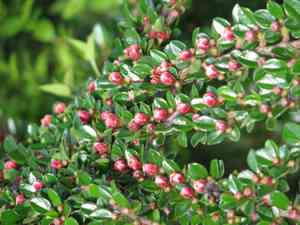
The Rockspray cotoneaster (Cotoneaster horizontalis) is a robust, low-growing shrub recognized for its striking, fishbone-like branching and vibrant berries. This plant serves as both ground cover and an ornamental shrub, valued for its ability to thrive in diverse conditions. While Rockspray cotoneaster is generally easy to maintain, it requires specific care during winter to ensure its health and vitality.
Preparing Rockspray cotoneaster for Winter
When to Start Preparing
The optimal time to begin winter preparations for your Rockspray cotoneaster is in early autumn. Start by checking the plant for any indications of disease or harm. Early preparation allows the plant to gradually adapt to changing temperatures, reducing stress during colder periods.
Watering Requirements
As winter approaches, it's essential to modify the watering schedule for your Rockspray cotoneaster. Excessive watering can be particularly harmful, leading to root rot. As a general guideline, water thoroughly but less often, letting the soil dry out between waterings. Typically, watering once every two weeks, depending on your region's climate, is sufficient. Ensure water penetrates 20-30 cm (8-12 inches) deep, providing moisture to the roots.
Pruning Techniques
Pruning your Rockspray cotoneaster before winter helps eliminate dead or diseased branches, enhancing air circulation and lowering the risk of pest infestations. Use clean, sharp pruning shears to cut back any overgrown or damaged branches. This not only shapes the plant but also encourages healthier growth in the spring.
Soil and Mulch Options
Soil health is crucial for your Rockspray cotoneaster during winter. Ensure the soil drains well, as waterlogged soil can freeze and harm the roots. Applying a 5-8 cm (2-3 inches) layer of organic mulch helps insulate the soil, retaining warmth and moisture. Mulch also minimizes soil erosion and nutrient depletion.
What to Do During Winter
Temperature Monitoring
While Rockspray cotoneaster is tolerant of frost, extreme temperature fluctuations can still cause stress. Use a garden thermometer to monitor the ambient temperature around your plant, especially during cold snaps. If severe temperature drops are anticipated, consider using a breathable fabric cover to shield the shrub from frost damage.
Pest Control
Winter does not eliminate pest threats. Regularly inspect your Rockspray cotoneaster for signs of aphids, spider mites, and other pests. Applying a horticultural oil spray can help protect your plant without harming beneficial insects. Apply it on a mild winter day to avoid freezing temperatures.
Snow Management
Heavy snow can weigh down and damage the branches of your Rockspray cotoneaster. To prevent this, gently brush off accumulated snow using a soft broom. Avoid using harsh or forceful movements that could break branches. If ice forms, allow it to melt naturally rather than attempting to remove it.
Post-Winter Care for Rockspray cotoneaster
Inspecting for Damage
When spring arrives, your initial task is to inspect the Rockspray cotoneaster for any winter damage. Look for broken branches, signs of pest infestations, or mold. Remove any damaged parts to prevent further issues, ensuring your plant is ready for the growing season.
Spring Pruning
Spring is also the perfect time for a more comprehensive pruning session. Trim back overgrown sections and shape your Rockspray cotoneaster as desired. This not only enhances the plant's appearance but also promotes vigorous new growth and improved air circulation.



