How to Overwinter American hazelnut
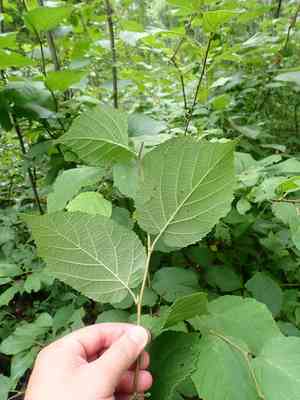
1
The American hazelnut is resilient and tolerates very low temperatures.
2
Checking the plant routinely prior to winter's arrival can prevent potential pest problems.
3
Appropriate mulching aids in preserving soil hydration and warmth for the American hazelnut.
Why Prepare American hazelnut for Winter?
Why Prepare American hazelnut for Winter?
Winter presents challenges for plants, and despite the American hazelnut's resilience, winter preparation is vital for its well-being and yield. Preparing your American hazelnut ensures its survival through cold periods and primes it for a robust growing season in spring. Soil moisture, frost protection, and overall plant health demand specific focus to avert harm from severe winter elements.
Steps for Overwintering American hazelnut
Inspecting and Pruning the Plant
Prior to winter's arrival, it's essential to examine your American hazelnut for indications of illness or pest presence. Eliminate any dead or infected branches to stop their spread. Pruning should be selective; remove only what's needed to preserve the plant's health and form. This aids the plant in conserving energy throughout winter.
Mulching Techniques for American hazelnut
Mulching is a key step in overwintering American hazelnut. Apply a substantial layer (approximately 5-8 cm or 2-3 inches) of organic mulch, such as shredded bark, straw, or leaves, around the plant's base. This will help insulate roots, retain soil moisture, and prevent extreme temperature shifts that could harm the plant. Ensure the mulch layer doesn't directly touch the trunk, as this can cause rot.
Watering Needs in Winter
Although the American hazelnut requires minimal water in winter, it's crucial to thoroughly hydrate the plant before the ground freezes. Deep watering (providing about 2.5 cm or 1 inch of water) in late autumn will help the plant store moisture for the dry winter months. Be careful not to overwater, as this can cause root rot. Once the soil freezes, watering is typically unnecessary until spring.
Protecting from Harsh Conditions
In particularly severe winter conditions, extra precautions might be needed to safeguard your American hazelnut. Using burlap or frost blankets can shield the plant from intense frost and wind. Building a simple windbreak or utilizing a cold frame can also offer additional protection. Ensure the covering allows for some air circulation to prevent mold and mildew.



