How to Overwinter Pampas grass
1
Cut back Pampas grass leaves to roughly 30 cm (12 inches) above soil level prior to winter.
2
Pampas grass tolerates temperatures down to -12°C (10°F).
3
A 5 cm to 10 cm (2-inch to 4-inch) layer of mulch can shield the plantâs root system from freezing.
Is Pampas grass Frost Hardy?
Is Pampas grass Frost Hardy?
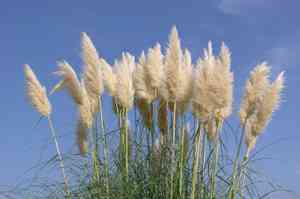
Yes, Pampas grass (Cortaderia selloana) possesses considerable frost hardiness. This robust ornamental grass can endure temperatures as low as -12°C (10°F). However, despite its ability to survive frosts, it needs some preparation and safeguarding to flourish through harsher winters. The inherent resilience of Pampas grass makes it a favored option for outdoor gardens in diverse climates.
Preparing Pampas grass for Winter
Trimming the Foliage
Begin by cutting back the leaves of your Pampas grass to approximately 30 cm (12 inches) above the ground. This step is vital as it minimizes the amount of foliage exposed to freezing temperatures, which can lessen damage and encourage healthier regrowth in spring.
Tying the Grass
After trimming, gather the remaining leaves and secure them with strong garden twine. By doing this, you shield the grass from snow and ice accumulation, which can weigh it down and cause it to split or break. Tying also helps reduce air circulation around the base, preserving warmth.
Mulching the Base
Apply a generous layer of mulch around the base of the Pampas grass. A depth of about 5 cm to 10 cm (2 inches to 4 inches) is ideal. Mulch acts as an insulating layer, protecting the roots from freezing temperatures. Organic mulches like straw, pine needles, or shredded bark are excellent choices.
Protecting Pampas grass from Extreme Cold
Using Burlap and Frost Cloths
In regions where extreme cold is a concern, additional protection with burlap or frost cloths is recommended. Wrap the tied foliage in burlap, securing it at the top and bottom. This extra layer creates a windbreak and retains some heat. Frost cloths are another practical option; they are designed to protect plants from frost damage while allowing moisture and air to circulate.
Strategic Plant Placement
If you're planting Pampas grass in an area with severe winters, consider positioning it against a south-facing wall or fence. Such locations benefit from residual heat and protection from cold winds. This strategic placement can improve the plant's chances of surviving extreme winter conditions.
Monitoring and Maintenance During Winter
Regular Inspection
Throughout the winter, periodically check your Pampas grass. Look for any signs of stress, such as broken foliage or damaged mulch. If you notice any issues, address them promptly to prevent further damage. Regular inspection ensures that your plant remains healthy and prepared for the colder months.
Watering Needs
While Pampas grass is drought-tolerant, it still requires occasional watering during winter, especially in dry spells. Ensure the soil remains moderately moist but not soggy. Overwatering can lead to root rot, so balance is key. Water the plant during midday when temperatures are higher to prevent freezing.
Preparing Pampas grass for Spring
Removing Winter Protection
As the winter season concludes and the risk of frost lessens, gradually remove the winter protection. Start by taking off the burlap or frost cloth, followed by untying the foliage. This incremental approach helps the plant adjust to the changing conditions more smoothly.
Spring Pruning Tips
Once winter protection is removed, conduct a thorough spring pruning. Trim away any damaged or dead leaves to promote new growth. Be careful not to cut too deeply into the crown of the plant. Spring pruning encourages a fresh, lush growth cycle and prepares the Pampas grass for optimal health in the warmer months.



