How to Overwinter Flowering dogwood
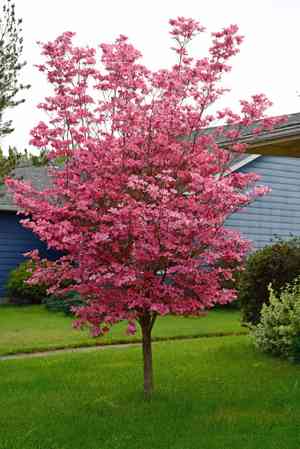
1
Flowering dogwood is resistant to cold temperatures, allowing it to survive winter in various regions.
2
Appropriate trimming and ground cover application can greatly improve Flowering dogwood's ability to withstand winter harm.
3
Evaluate your garden's specific environmental conditions to offer optimal winter protection for Flowering dogwood.
The Importance of Overwintering Flowering dogwood
The Importance of Overwintering Flowering dogwood
Overwintering Flowering dogwood is essential for maintaining the plant's health and vigor into the subsequent growing season. Winter conditions can be severe for garden plants, particularly with varying temperatures and frost. By taking necessary precautions to safeguard your Flowering dogwood, you help it conserve energy, shield its root system, and minimize damage from winter weather. This preparation not only ensures survival but also promotes abundant blooms in spring.
Preparing Flowering dogwood for Winter
Inspecting and Pruning the Plant
Begin by examining your Flowering dogwood for any indications of disease or damage. Pruning is a vital step in winter preparation. Remove any dead or diseased branches to prevent them from becoming entry points for pests or pathogens. Trim back excessively long branches to lessen the risk of breakage from snow or ice accumulation. Always use clean, sharp pruning shears for precise cuts, which aids in faster tree recovery.
Watering Before Winter
Watering your Flowering dogwood before winter arrives is another crucial preparatory step. Ensure a thorough watering session before the ground freezes. This helps the tree stay hydrated throughout the winter months. Watering should be comprehensive, ensuring the soil is moist to a depth of approximately 30 centimeters (12 inches). This deep watering assists your tree in enduring periods of drought and dry winter winds.
Applying Mulch for Insulation
Applying a thick layer of mulch around the base of your Flowering dogwood provides insulation, keeping the roots warmer during colder months. Aim for about 5 to 10 centimeters (2 to 4 inches) of mulch, creating a barrier against temperature fluctuations. Utilize organic materials such as wood chips, straw, or leaves. This layer helps retain moisture, improves soil structure, and protects the root system from extreme cold.
Location Considerations for Overwintering
Selecting an Ideal Overwintering Spot
Choosing the optimal location for your Flowering dogwood to overwinter is critical. Ideally, position the tree in an area protected from strong winds and direct exposure to winter sun, which can cause temperature swings. If feasible, place it near a building or fence that can offer some wind protection. A well-drained spot is also essential to prevent waterlogging during thaws.
Considering Microclimates
Microclimates within your garden can significantly impact the overwintering success of your Flowering dogwood. Areas closer to structures generally remain slightly warmer due to residual heat. Spots with southern exposure receive more sunlight, which can help reduce frost pockets. Evaluating and utilizing these microclimates can provide your tree with additional protection during colder periods.
Common Issues During Overwintering Flowering dogwood
Frost Cracking
Frost cracking is a frequent problem that can occur in winter when rapid temperature changes cause the bark to split. To alleviate this, ensure your Flowering dogwood is adequately mulched and consider using tree wraps during severe temperature drops. You can also apply white latex paint to the trunk to reflect sunlight and prevent sudden temperature changes on sunny winter days.
Root Damage
Root damage can happen if the ground freezes deeply or experiences excessive temperature fluctuations. To safeguard the roots of your Flowering dogwood, ensure a thick layer of mulch and consider adding a rodent guard around the tree's base to protect against animals that might burrow into the mulch. Consistent deep watering before the freeze can also help maintain root health.



