How to Overwinter Silky dogwood
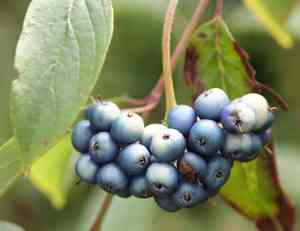
1
Cornus sericea tolerates cold but still needs winter safeguarding.
2
Applying mulch helps regulate ground temperature and retain hydration.
3
Consistent inspection for insects and illnesses keeps your Cornus sericea thriving.
Winterizing Silky dogwood
Winterizing Silky dogwood
Effective winter preparation for Silky dogwood begins with proper steps. Despite its resilience, this plant can endure cold winters, but a few preparatory actions will ensure its continued health and vibrancy. Start by thoroughly watering your Silky dogwood in the autumn; this helps its roots store sufficient moisture for the dry winter. Also, check the plant for any disease or pest indicators and take appropriate measures to resolve these problems before the colder months.
Soil and Mulching
The Role of Mulching for Silky dogwood
Mulching is vital for safeguarding Silky dogwood during winter. Mulch functions as an insulating layer, stabilizing soil temperature and retaining moisture. This protection helps prevent the soil from freezing and thawing cycles that can stress the plant's root system.
Optimal Mulch Varieties for Winter Protection
Not all mulches are equally effective. For winter protection of Silky dogwood, choose organic mulches such as shredded bark, straw, or leaf mold. These materials decompose slowly, enriching the soil as they break down, offering benefits beyond just winter protection.
Mulching Techniques
Apply a 7-10 cm (3-4 inch) layer of mulch around the base of the Silky dogwood, ensuring it extends to the drip line. Be careful not to pile mulch directly against the stem, as this can cause rot. Instead, leave a small gap around the stem for air circulation.
Winter Watering
Winter Watering Frequency for Silky dogwood
Watering frequency during winter should be minimal as Silky dogwood enters dormancy and requires less moisture. However, provide a deep watering once a month during dry periods, especially if the ground is not frozen. This supplies the roots with necessary hydration without risking overwatering.
Indicators of Winter Overwatering
Overwatering in winter can harm Silky dogwood. Look for symptoms such as yellowing leaves, moldy soil, and an excessively wet base around the plant. If you observe any of these signs, reduce watering immediately and improve drainage around the plant.
Frost Protection
Why Frost Protection is Essential for Silky dogwood
Even though Silky dogwood is frost-hardy, extreme cold snaps can still cause damage. Protecting the plant from frost can prevent branch dieback and ensure your plant emerges healthy from winter.
Best Frost Covers and Barriers
Use frost covers like burlap or garden fleece to drape over the plant during severe frost. For smaller plants, frost shields or cloches can provide additional protection. Make sure to secure the covers to prevent them from blowing away.
DIY Frost Protection Methods
If you prefer a do-it-yourself approach, consider using old bed sheets or blankets to cover the Silky dogwood on frosty nights. Additionally, you can create a windbreak using stakes and burlap around the plant to shield it from freezing winds.
Pruning and Maintenance
Winter Pruning Advice for Silky dogwood
Pruning Silky dogwood during winter is crucial for removing dead or diseased branches and promoting healthy growth in spring. Use clean and sharp pruning shears to make precise cuts just above healthy buds or branches.
Essential Maintenance Checks
Winter is also an excellent time for general maintenance checks. Inspect for any signs of bark or root damage. If you notice any issues, take steps to mitigate them, such as applying protective wraps around damaged areas or adjusting mulch levels.
Pest and Disease Monitoring
Common Winter Pests to Monitor
Even during winter, pests like scale insects and mites can threaten Silky dogwood. Regularly inspecting the plant and surrounding soil for signs of pest activity can help you address issues early.
Preventing Winter Disease in Silky dogwood
Maintaining good sanitation by clearing fallen leaves and debris can help prevent disease during winter. Additionally, ensuring proper air circulation around the plant will deter fungal growth.
Remedial Actions for Affected Plants
If you discover pests or signs of disease, use organic treatments like neem oil or insecticidal soap to resolve the issue. For severe infestations, consider consulting with a local horticulturist for specialized advice.



