How to Overwinter Large-flowered tickseed
1
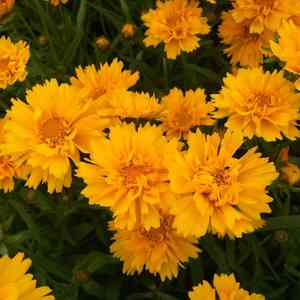
Coreopsis grandiflora is resilient to cold and can endure temperatures down to -15°C (5°F).
2
Adequate mulching helps shield the root system of Coreopsis grandiflora from freezing conditions.
3
Inspect for pests frequently in winter, as even inactive plants can be impacted.
Grasping Large-flowered tickseed's Cold Tolerance
Grasping Large-flowered tickseed's Cold Tolerance
Large-flowered tickseed is a cherished perennial recognized for its vibrant yellow blossoms that can brighten any garden. Originating from North America, this resilient plant is an excellent addition to borders, containers, and naturalized areas. A key advantage is its frost hardiness. Large-flowered tickseed can endure in regions where temperatures fall to -15°C (5°F). Despite its toughness, it still benefits from certain preparations and care to ensure it flourishes after winter.
Getting Large-flowered tickseed Ready for Winter
When to Begin Preparations
Start preparations in late autumn, as days shorten and temperatures begin to fall. It's crucial to act before the initial hard frost. Early readiness helps the plant adapt to the cold and ensures it's in optimal condition to survive the winter months.
Trimming and Tidying the Plant
Cut back the dead and damaged stems of the Large-flowered tickseed to approximately 5-10 cm (2-4 inches) above the soil. Removing dead foliage prevents diseases and pests from overwintering in the debris. Be sure to properly dispose of pruned material or compost it if it's disease-free. This cleanup ensures the plant stays healthy and ready for new growth in spring.
Shielding Large-flowered tickseed from Extreme Cold
Applying Mulch Around the Plant Base
Mulching is a vital step in safeguarding Large-flowered tickseed from extremely low temperatures. Apply a 5-7 cm (2-3 inches) layer of organic mulch, such as straw or shredded leaves, around the plant's base. This insulates, maintaining a stable root temperature and preventing the freeze-thaw cycle from harming the roots.
Utilizing Row Covers or Cold Frames
For areas experiencing particularly severe winters, consider employing row covers or cold frames. These offer an additional layer of defense against wind and frost. Ensure covers or frames are firmly secured to withstand winter storms. However, remember to lift them periodically to allow air circulation and prevent mold growth.
Observing Large-flowered tickseed During Winter
Checking for Pests and Diseases
Even during winter, pests and diseases can pose a threat. Regularly inspect your plants for signs of issues, such as discolored leaves or unusual growths. If you notice any problems, address them promptly. Neem oil or horticultural soap can be effective treatments for winter pests. Always follow product instructions.
Watering Needs
While Large-flowered tickseed is dormant in winter, it still requires some moisture. Water the plant sparingly but thoroughly during dry winter periods if there hasn't been precipitation for a couple of weeks. Avoid overwatering, as this can lead to root rot. Aim to keep the soil slightly moist but not waterlogged.



