How to Overwinter Ti plant
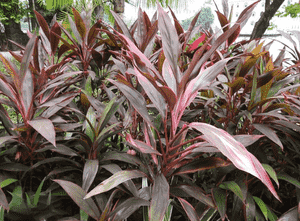
1
Ti plants are delicate perennials, indicating they are susceptible to frost damage.
2
Optimal indoor winter temperatures for Ti plants range from 16°C to 24°C (60°F to 75°F).
3
Ti plants thrive in elevated humidity, thus frequent misting can be beneficial.
Why is Overwintering Ti plant Important?
Why is Overwintering Ti plant Important?
Overwintering your Ti plant is essential for its well-being and extended life. As a delicate perennial, the Ti plant is vulnerable to frost and cannot endure freezing temperatures. Moving your Ti plant indoors during winter safeguards it from the cold, ensuring it stays vibrant and healthy for the subsequent growing season.
How to Prepare Ti plant for Overwintering
Inspect for Pests and Diseases
Before bringing your Ti plant inside, it's crucial to thoroughly check it for any indications of pests or diseases. Examine the leaves, stems, and soil for insects such as aphids, spider mites, and mealybugs. Treat any infestations with suitable methods, like insecticidal soap or neem oil, to prevent their indoor spread.
Pruning and Cleaning
Pruning your Ti plant before winter helps it direct its energy towards surviving the cold months rather than sustaining unnecessary foliage. Remove any dead, damaged, or yellowing leaves using clean, sharp shears. Additionally, clean the leaves with a damp cloth to eliminate dust or debris, which can harbor pests and diseases.
Transitioning Indoors
The shift from outdoor to indoor settings can be stressful for your Ti plant. To minimize shock, gradually acclimate it over one to two weeks. Begin by bringing it indoors for a few hours daily, progressively increasing its time inside. This aids the plant in adjusting to lower light levels and the indoor climate.
Indoor Care During Winter Months
Light Requirements
Ti plants need bright, indirect light to flourish indoors. Position your plant near a window where it can receive ample light but avoid direct sunlight, which can scorch its leaves. If natural light is insufficient, consider using grow lights for supplementation.
Watering and Humidity
During the winter, your Ti plant's watering needs will decrease. Keep the soil consistently moist but not waterlogged. Allow the top few centimeters (inches) of soil to dry out between waterings. Since indoor air can be dry, boost humidity by regularly misting the leaves or using a humidifier.
Temperature and Airflow
Maintain indoor temperatures between 16°C and 24°C (60°F to 75°F) for optimal growth. Avoid placing your Ti plant near drafts, heaters, or cold windows. Good airflow is also vital to prevent mold and mildew, so ensure the room is well-ventilated.
Ensuring Ti plant's Health Post-Winter
Gradual Transition Back Outdoors
As temperatures start to rise in spring, slowly reintroduce your Ti plant to the outdoor environment. Begin by placing it outside for a few hours daily, gradually extending its time outdoors. This helps prevent shock and allows the plant to adapt to changing conditions.
Resuming Regular Care Routine
Once your Ti plant is back outside, resume its usual care routine. This includes fertilizing with a balanced feed, ensuring proper watering, and maintaining adequate light levels. Watch for any signs of stress or pests, and address issues promptly to keep your Ti plant healthy and vibrant.



