How to Overwinter Autumn crocus
1
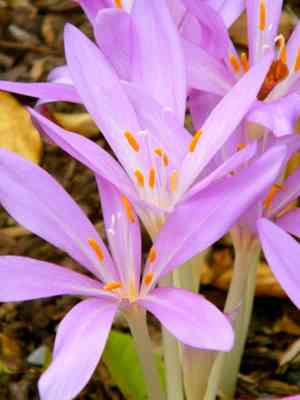
Colchicum autumnale (__ARTICLE_LATIN__) flowers in autumn, recognized for its vivid purple-pink blossoms.
2
This resilient flora can endure winter lows down to -15°C (5°F).
3
Applying mulch is crucial for safeguarding Colchicum autumnale bulbs against harsh climatic conditions.
What is the Autumn crocus?
What is the Autumn crocus?
The Autumn crocus (Colchicum autumnale) is a distinctive and captivating plant known for its late-season blooms. Unlike many plants that flower in spring, the Autumn crocus waits until fall to display its vivid purple-pink blossoms, adding a burst of color to your garden as other plants begin to slow down for winter. This resilient perennial belongs to the lily family and thrives in sunny or partly shaded garden spots. Recognized for being less demanding than other flowering plants, the Autumn crocus brings effortless beauty and charm to any outdoor area.
Understanding Hardiness of Autumn crocus
What Makes Autumn crocus Hardy?
The Autumn crocus is classified as a robust plant, capable of enduring winter temperatures as low as -15°C (5°F). This resilience stems from its strong bulb system that stores nutrients, enabling the plant to enter dormancy and survive harsh conditions. The natural ability of the bulbs to remain insulated underground shields them from frost and freezing temperatures, making them a dependable addition to any garden experiencing cold winters.
Ideal Growing Conditions for Autumn crocus
For the Autumn crocus to flourish, it needs well-draining soil and a location that receives morning sun and afternoon shade. Ensuring the soil is not overly compacted allows the bulbs to establish a robust root system. Plant the bulbs at a depth of approximately 10-15 centimeters (4-6 inches) and space them about 10-15 centimeters (4-6 inches) apart to provide ample room for growth. These optimal growing conditions help the plant develop strongly in preparation for enduring the winter months.
Steps to Overwinter Autumn crocus
Preparing the Soil
Before winter arrives, it's essential to prepare the soil surrounding your Autumn crocus. Begin by clearing away any debris, such as fallen leaves and dead plant matter, to eliminate potential hiding places for pests. Gently loosen the soil around the bulbs to enhance water drainage and prevent waterlogging, which can cause the bulbs to rot. Adding a layer of compost can also help enrich the soil and supply vital nutrients for the bulbs during their dormant phase.
Watering Recommendations
Properly watering your Autumn crocus is crucial for their winter survival. In the weeks leading up to winter, reduce irrigation to allow the soil to dry out slightly, which helps the bulbs enter dormancy. During the winter months, minimal watering is necessary as the plant is dormant, and excessive moisture can lead to bulb rot. Ensure the soil remains slightly moist but not saturated.
Mulching for Protection
Mulching is one of the most effective methods to safeguard your Autumn crocus bulbs during winter. Apply a thick layer of mulch, about 5-8 centimeters (2-3 inches), over the soil around the bulbs. Organic mulches like straw, shredded leaves, or pine needles work well as they provide insulation and retain soil moisture. This layer acts as a protective cover, shielding the bulbs from temperature fluctuations and preventing frost from penetrating too deeply into the soil.
Pruning and Cutting Back Foliage
Once the Autumn crocus has finished blooming and its foliage begins to wither, it's time to prune and cut back the dead growth. Trim the foliage down to soil level, which helps prevent disease and pest infestations during winter. This step also keeps your garden tidy and ensures the plant's energy is directed toward strengthening the bulbs for the next growing season.
Common Mistakes and How to Avoid Them
Overwatering
One of the most frequent errors when caring for Autumn crocus is excessive watering. Too much water can lead to bulb rot and fungal infections. To prevent this, ensure the soil drains well and water sparingly. Significantly reduce watering as winter approaches and the plant enters dormancy.
Improper Mulching
Incorrect mulching can cause more harm than good. Avoid using too much mulch, which can suffocate the bulbs, or using mulch that retains excessive moisture. Opt for organic mulch materials and apply a layer no thicker than 8 centimeters (3 inches).
Ignoring Pest Control
Pests can pose a threat to Autumn crocus even during winter. Common pests include slugs, rodents, and certain insects that can damage the bulbs. Regularly check for signs of pest activity and consider using pest deterrents or traps where necessary.
Monitoring Your Autumn crocus During Winter
Regularly Checking for Frost Damage
Even though Autumn crocus is hardy, it's essential to regularly check for signs of frost damage. Look out for wilting or discolored foliage and take immediate action by adding more mulch or using frost blankets to protect the plant.
Ensuring Adequate Ventilation
While protecting the bulbs with mulch is crucial, ensuring adequate ventilation is equally important to prevent mold and rot. Avoid piling mulch too densely and ensure there is some airflow around the base of the plant.
Addressing Any Signs of Disease or Pests
Throughout the winter, keep an eye out for any signs of disease or pest infestations. Early detection is key to preventing severe damage. If you notice any issues, address them promptly using appropriate treatments or remedies to keep your Autumn crocus healthy.



