How to Overwinter Garden croton
1
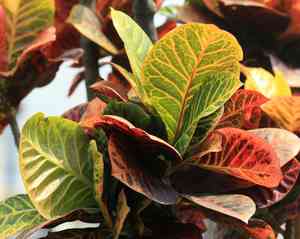
Garden croton is sensitive to cold and needs to be moved indoors for the winter season.
2
Keep indoor temperatures within 15-24°C (59-75°F) for best development.
3
Humidity levels ranging from 40-80% are perfect for Garden croton.
Why Does Garden croton Need Overwintering?
Why Does Garden croton Need Overwintering?
As a tropical plant from Malaysia, the Garden croton (Codiaeum variegatum) flourishes in warm, moist environments. However, its vibrant foliage and rich colors can suffer when exposed to cold temperatures. Since the Garden croton is sensitive to frost, it requires special attention during the colder months to ensure its health and beauty. Bringing your croton indoors for winter protects it from harsh outdoor conditions, providing a controlled setting to preserve its striking appearance.
Preparing Garden croton for the Winter Months
Inspect and Clean the Plant
Before moving your Garden croton indoors, it's vital to check the plant for pests and diseases. Carefully examine the leaves, stems, and soil. Cleaning the plant can prevent the spread of any potential infestations within your home. Use a damp cloth to gently wipe the leaves, removing any dust or debris. This helps the plant absorb more sunlight and reduces the risk of illness.
Pruning and Shaping
Trimming the Garden croton before winter can help it maintain its form and encourage new growth. Remove any dead or damaged leaves using sterilized scissors or pruning shears. This pruning process not only improves the plant's look but also minimizes the risk of pests and diseases taking hold during the colder months.
Repotting if Necessary
If your Garden croton has outgrown its current container, winter is an ideal time to repot. Select a pot slightly larger than the existing one, ensuring it has adequate drainage holes to prevent waterlogging. Use a well-draining potting mix to provide your croton with the best indoor environment to thrive.
Ideal Indoor Conditions for Garden croton
Optimal Temperature Range
Garden croton plants prefer temperatures between 15-24°C (59-75°F). It's crucial to keep the plant away from cold drafts, radiators, and heating vents, as sudden temperature changes can stress the plant and cause leaf drop.
Lighting Requirements
Crotons need bright, indirect light to maintain their vibrant leaf colors. Position your Garden croton near a south or west-facing window. If natural light is insufficient, consider using grow lights to supplement its light needs.
Humidity Levels
Garden croton thrives in high humidity, ideally between 40-80%. Indoor air can become dry during the winter months, so consider using a humidifier or placing a tray of water and pebbles near the plant to increase humidity levels. Misting the leaves occasionally can also help maintain the necessary humidity.
Watering and Feeding During Winter
Adjusting the Watering Schedule
In winter, Garden croton plants typically require less water compared to their active growth period. Allow the top 2-3 cm (1 inch) of soil to dry out before watering again. Overwatering can lead to root rot, so ensure the pot has good drainage and remove excess water from the saucer.
Fertilizing Considerations
Reduce fertilization during the winter months as the plant's growth slows down. Feeding your croton every 6-8 weeks with a balanced, water-soluble fertilizer diluted to half strength is sufficient. Over-fertilizing can cause salt build-up in the soil, leading to poor plant health.
Common Winter Problems and Solutions
Leaf Drop
Leaf drop is a common issue for Garden croton during winter due to changes in light and humidity. Ensure the plant receives adequate indirect light and maintain consistent humidity levels. If leaves continue to drop, it may indicate overwatering or a pest infestation.
Pest Control
Common pests include spider mites and scale. To manage these pests, regularly check the undersides of leaves and stems. If you notice any pests, treat the plant with insecticidal soap or neem oil. Isolate the affected plant to prevent the pests from spreading to other indoor plants.
Dealing with Humidity Issues
Low humidity can cause the edges of the leaves to turn brown and crispy. To resolve this, you can use a humidifier or place the croton on a humidity tray filled with water and pebbles. Regular misting can also help maintain adequate humidity levels around your Garden croton.



