How to Overwinter Autograph tree
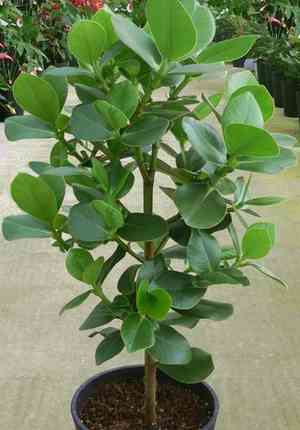
1
The Autograph tree is susceptible to frost damage and requires protection from freezing conditions.
2
Optimal indoor environments for the Autograph tree involve temperatures ranging from 18-24°C (65-75°F) and moderate to elevated humidity.
3
Slowly acclimating the Autograph tree to outdoor settings in spring aids in avoiding stress and guarantees a smooth adjustment.
Why Overwintering is Important for Autograph tree
Why Overwintering is Important for Autograph tree
The Autograph tree (Clusia rosea) is a popular tropical plant known for its thick, leathery leaves and its use as a writing surface, hence its name. While it thrives in warm climates, it is sensitive to frost and cannot withstand freezing temperatures. Overwintering your Autograph tree is essential to shield it from harsh winter conditions. By bringing the plant indoors and providing proper care, you can ensure its health and vigor until spring's warmth returns. With correct overwintering, your Autograph tree will continue to flourish year after year, adding greenery and life to your space.
How to Prepare Autograph tree for Overwintering
Inspecting for Pests
Before moving your Autograph tree indoors, thoroughly check it for pests. Common pests include aphids, mites, and scale insects. Examine the undersides of leaves and stems for any signs of infestation. If pests are found, treat the plant with an appropriate insecticidal soap or neem oil. Eliminating pests before bringing the plant inside prevents them from spreading to your other indoor plants.
Pruning the Plant
Pruning your Autograph tree before bringing it indoors helps manage its size and shape. Remove any dead or damaged leaves and trim back overgrown branches. This not only makes the plant more manageable but also encourages new growth and improved air circulation. Use clean, sharp pruning shears to make clean cuts, reducing the risk of disease.
Cleaning the Leaves
Cleaning the leaves of your Autograph tree is crucial to remove dust and debris that can accumulate over time. Use a damp cloth or a gentle shower to clean the leaves, ensuring all surfaces are free from dirt. Clean leaves absorb light more efficiently, which is important when the plant is moved indoors where light levels might be lower.
Ideal Indoor Conditions for Autograph tree over Winter
Light Requirements
The Autograph tree requires bright, indirect light to thrive indoors during winter. Place it near a south-facing window where it can receive ample sunlight without direct exposure to harsh rays that might scorch the leaves. If natural light is insufficient, consider using grow lights to supplement and ensure the plant receives at least 6 hours of light each day.
Temperature and Humidity
Maintain indoor temperatures between 18-24°C (65-75°F) for your Autograph tree. Avoid placing it near drafts, heating vents, or cold windowsills. As a tropical plant, it prefers medium to high humidity levels. You can increase humidity by placing a humidifier nearby, using a pebble tray with water, or regularly misting the leaves.
Watering and Feeding Schedule
During winter, the watering needs of your Autograph tree will decrease. Water the plant when the top 2.5-5 cm (1-2 inches) of soil feels dry. Ensure the pot has good drainage to prevent waterlogging. Reduce feeding frequency during this period; a monthly application of a balanced, water-soluble fertilizer at half strength is sufficient to keep your plant healthy without promoting excessive growth.
How to Transition Autograph tree back to Outdoors
Gradual Reintroduction
As the weather warms up in spring, start preparing your Autograph tree for the transition back outdoors. Gradually reintroduce it to outdoor conditions by placing it in a shaded area for a few hours each day, slowly increasing exposure over 1-2 weeks. This process helps the plant acclimate to the change in temperature, light, and humidity, preventing shock.
Monitoring for Stress Signs
Keep an eye on your Autograph tree for any signs of stress during the transition. Symptoms of stress can include wilting, leaf drop, or discoloration. If you notice any of these signs, reduce the exposure time outdoors and give the plant some extra care to help it adjust. Ensuring a smooth transition back to outdoor conditions will set the stage for a healthy growing season ahead.



