How to Overwinter Bush lily
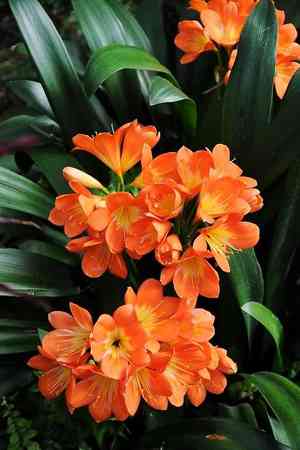
1
Bush lily plants flourish optimally indoors at temperatures ranging from 10-15°C (50-59°F) throughout the winter season.
2
Winter protection aids in avoiding frost damage, a frequent problem as Bush lily is sensitive to cold.
3
Bush lily favors diffused light in winter; direct sun exposure can be overly strong indoors.
Why Overwinter Bush lily is Important?
Why Overwinter Bush lily is Important?
Protecting Bush lily during winter is crucial for these beautiful plants. As Bush lily is sensitive to frost, it cannot endure freezing temperatures. Extended exposure to cold can cause wilting, leaf damage, and in severe cases, plant death. By moving it indoors and providing suitable winter conditions, you ensure its health and vigor, allowing it to flourish in subsequent seasons.
Preparing Bush lily for Overwintering
Cleaning and Pruning
Before bringing your Bush lily inside, it's vital to clean and prune it. Remove any dead or yellowed leaves to prevent disease and pests from entering your home with the plant. Gently cleaning the foliage with water can help remove dust and insects. Pruning also aids the plant in conserving energy during the darker indoor months.
Inspecting for Pests
Examine your Bush lily closely for any signs of pests. Check under leaves and in the soil for insects like aphids, mealybugs, and spider mites. If found, use an appropriate insecticidal soap or neem oil to treat the plant. This step is critical to avoid introducing pests into your home, which could affect other indoor plants.
Adjusting Watering Schedule
Once indoors, Bush lily will need a different watering routine. During winter, the plant's growth slows, requiring less water. Overwatering can lead to root rot, a common winter problem. Water only when the top 2-3 cm (1 inch) of soil feels dry. Ensure the pot has good drainage to prevent waterlogged soil.
Ideal Indoor Conditions for Bush lily Overwintering
Temperature Requirements
Bush lily prefers cooler indoor temperatures during winter, ideally between 10-15°C (50-59°F). Avoid placing the plant near radiators or heat vents, as extreme temperature changes can stress the plant.
Light Needs
Bush lily thrives in bright, indirect light. Direct sunlight can be too intense and may scorch the leaves. Position your plant near a north or east-facing window for optimal light conditions.
Humidity Levels
Humidity is another vital factor. Bush lily prefers moderate humidity levels. If your home is particularly dry during winter, consider using a humidifier or placing the plant on a tray filled with water and pebbles to increase humidity around it.
Soil and Potting
Ensure your Bush lily is potted in well-draining soil. A mix designed for houseplants should be sufficient. Also, check the pot to ensure it has adequate drainage holes. Repotting is generally not advised during winter unless absolutely necessary.
Common Issues During Overwintering Bush lily
Yellowing Leaves
Yellowing leaves can indicate several problems, such as excessive watering, insufficient light, or nutrient deficiencies. Ensure you are following the correct watering schedule and providing adequate light and balanced fertilization.
Root Rot
Root rot is typically caused by overwatering and poor drainage. If you notice yellowing leaves and a foul odor from the soil, root rot could be the cause. Reduce watering and ensure the plant's pot has good drainage.
Pest Infestations
Indoor conditions can sometimes worsen pest problems. Regularly inspect your Bush lily for signs of pests and treat any infestations promptly with insecticidal soap or neem oil to maintain plant health.



