How to Overwinter Butterfly pea
1
Butterfly pea are susceptible to frost, making them sensitive to low temperatures.
2
Begin readying your Butterfly pea for the cold season once temperatures fall below 15°C (59°F).
3
Maintain humidity levels at approximately 50-60% when keeping them indoors for winter.
Understanding the Frost Tender Nature of Butterfly pea
Understanding the Frost Tender Nature of Butterfly pea
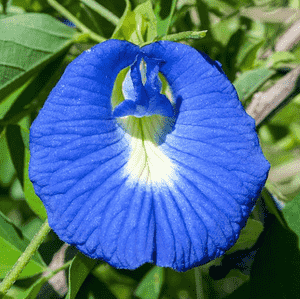
The beautiful Butterfly pea is a versatile and appealing climbing plant known for its striking blue blooms. However, its frost-tender nature means it doesn't tolerate cold temperatures well and can be damaged by frost. This characteristic requires extra care in colder climates, especially if you wish for your plant to thrive annually. In USDA hardiness zones 9-11, Butterfly pea can generally survive outdoors year-round. But if you live in an area where temperatures fall below 10°C (50°F), you must take measures to safeguard your plant during winter. This might involve either moving the plant indoors or employing various methods to shield it from harsh outdoor conditions.
Preparation Steps to Overwinter Butterfly pea
When to Start Preparing
Timing is critical when getting your Butterfly pea ready for winter. Begin your preparations in early autumn before the first frost. As a general guideline, start once nighttime temperatures drop below 15°C (59°F). This will provide ample time to ensure your plant is prepared for the colder months ahead.
Pruning and Cleaning the Plant
Before moving your plant indoors or setting up outdoor protection, give it a thorough pruning. Remove any dead, damaged, or diseased stems. This helps prevent disease spread and makes the plant more manageable. Next, meticulously clean the plant. Rinse the foliage with a gentle water spray to remove dust and pests. Check for hidden pests like aphids or spider mites that might travel indoors. Ensuring your plant is pest-free will prevent infestations during winter.
Indoor Overwintering for Butterfly pea
Choosing the Right Location Indoors
Selecting an appropriate indoor spot is crucial for your Butterfly pea's health. Choose a location that receives abundant sunlight, ideally a south-facing window. If natural light is insufficient, consider using a grow light to supplement the plant's light requirements. Avoid placing the plant near heat sources like radiators or vents, as this can cause temperature and humidity fluctuations.
Temperature and Humidity Control
Maintaining the correct temperature and humidity is vital for your plant's winter survival. Keep indoor temperatures between 18-24°C (65-75°F). Avoid exposing the plant to drafts from windows or doors. Humidity is equally important. Aim for levels around 50-60%. If your home is dry, especially during heating season, use a humidifier or place a water tray near the plant to maintain adequate moisture levels.
Providing Adequate Light
Light is a critical element for overwintering Butterfly pea. Ensure the plant receives at least six hours of bright, indirect light daily. If natural light is limited, a full-spectrum grow light can help replicate the plant's natural outdoor conditions. Position the grow light 15-30 cm (6-12 inches) above the plant and follow a 12-hour on, 12-hour off cycle to simulate day and night.
Outdoor Overwintering Options for Butterfly pea
Using Mulch and Covers
If bringing your plant indoors isn't feasible, outdoor protection can be effective. Apply a thick layer of mulch around the plant's base to insulate the roots. Straw, leaves, or wood chips work well. Additionally, consider using a plant cover or burlap to shield the foliage from frost. Ensure the cover doesn't directly touch the plant, as this can transfer frost to the leaves.
Constructing a Temporary Greenhouse
A more involved but effective option is building a temporary greenhouse. Using PVC pipes and plastic sheeting, you can create a simple structure to enclose the plant, maintaining a warmer microenvironment. This structure will help protect against frost while also trapping some daytime heat from the sun. Ensure good ventilation to prevent mold and mildew buildup inside the greenhouse.



