How to Overwinter Desert willow
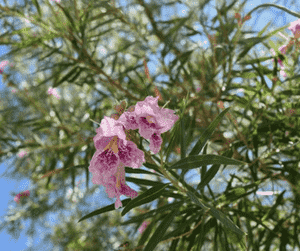
1
Desert willow tolerates temperatures down to -20°F (-29°C).
2
Applying mulch aids in safeguarding Desert willow roots over winter.
3
Pruning in winter promotes robust development in the spring.
Understanding Desert willow's Winter Needs
Understanding Desert willow's Winter Needs
The Desert willow (Chilopsis linearis) is a robust, resilient plant indigenous to the southwestern United States and northern Mexico. Valued for its attractive trumpet-shaped blossoms and willow-like foliage, this deciduous tree thrives in diverse conditions, making it a popular choice for both decorative and practical uses. However, like all plants, it requires specific attention during colder months to maintain its health and ensure consistent beautiful blooms annually. Grasping its winter requirements is the initial step towards successful overwintering.
Preparing Desert willow for Winter
When to Start Preparing
The optimal period to begin readying your Desert willow for winter is in the autumn, a few weeks prior to the first anticipated frost. This timing allows the plant to progressively adapt to cooler temperatures. Start by clearing away fallen leaves and debris from around the plant's base to deter potential pests from seeking refuge.
Pruning Techniques
Pruning is a vital step in getting your Desert willow ready for winter. Remove any dead or diseased branches, as these can become entry points for pests and illnesses. Lightly trim back any long, overly extended branches to prevent breakage from snow or ice accumulation. Always use clean, sharp pruning shears to avoid harming the plant.
Soil and Mulching
Mulching is an effective method to insulate the roots of your Desert willow throughout the winter. Apply a thick layer of organic mulch, such as straw or shredded bark, around the tree's base, extending to the drip line. This helps maintain soil moisture and temperature, preventing the roots from freezing. Typically, a 5-8 cm (2-3 inches) layer of mulch is adequate.
Watering Desert willow in Winter
Adjusting Watering Schedule
As temperatures decrease, your Desert willow's water requirements will diminish. Gradually reduce watering in the fall to help the plant acclimate before the initial frost. During winter, water sparingly, only when the soil feels dry to the touch about 5 cm (2 inches) below the surface. Watering once every three to four weeks should be sufficient, depending on your climate.
Ensuring Proper Drainage
Adequate drainage is crucial during winter to prevent root rot. Ensure that your Desert willow is planted in well-draining soil and that excess water can easily escape. If you observe water pooling around the tree's base, consider improving drainage by amending the soil with sand or gravel.
Protecting Desert willow from Frost
Frost Cloths and Covers
Even though Desert willow is frost-hardy, in extremely cold regions, additional protection might be necessary. Use frost cloths or burlap to cover the tree during particularly severe frosts. Secure the covers to prevent them from blowing away, and remove them during the day to allow for sunlight and air circulation.
Site Selection and Placement
If you have the flexibility to choose the planting location, select a spot that offers some natural protection from harsh winds and frost. South-facing slopes or areas near structures like walls or fences can help lessen the impact of cold weather.
Monitoring Desert willow Health During Winter
Checking for Pests and Diseases
Regularly inspect your Desert willow for signs of pests and diseases during the winter. Common winter pests include aphids and scale insects, which can be treated with horticultural oil or insecticidal soap. Fungal diseases can also be a concern, so keep an eye out for any unusual growths or discolorations on the branches.
Signs of Stress to Watch For
Winter stress can manifest in several ways, including discolored leaves, wilting, or unusually brittle branches. If you notice any of these signs, take action by adjusting your care routine or consulting with a local nursery or plant care expert. Addressing stress early can help prevent long-term damage to your Desert willow.



