How to Overwinter European fan palm
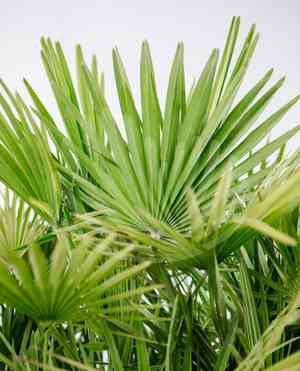
1
The European fan palm is moderately resilient, tolerating minor frost but requiring shelter in harsh cold.
2
The best indoor temperature for keeping European fan palm over winter is between 55-68°F (13-20°C).
3
Lessen irrigation considerably throughout the colder period to avoid root decay.
Understanding the Half-Hardy Nature of European fan palm
Understanding the Half-Hardy Nature of European fan palm
The European fan palm, recognized for its fan-shaped fronds and resilience, is categorized as a semi-hardy plant. This implies it can withstand minor frost, typically down to approximately -5°C (23°F), but needs protection when temperatures fall lower. In its native Mediterranean environment, the European fan palm flourishes in warmer climates yet can adapt to milder winter conditions with proper attention. Grasping this is vital as it dictates the actions required to ensure your plant survives the winter.
Preparing Your European fan palm for Winter
Assessing the Current Health of Your Plant
Before relocating your European fan palm indoors, thoroughly examine it for indicators of health. Look for discolored leaves, weak stems, or any evidence of pest infestations. Addressing these problems beforehand will help prevent further complications during the winter.
Pruning and Cleaning
Trimming is crucial for maintaining the health and form of your European fan palm. Remove any dead or damaged leaves to encourage new growth and decrease the likelihood of diseases. Additionally, clean the remaining foliage with a damp cloth to remove dust and potential pests. This step is essential to ensure the plant can properly photosynthesize and remain strong throughout the winter.
Soil and Container Checks
Confirm that the soil and container are appropriate for the plant's indoor winter stay. Check for any signs of root rot or decay. Replace the soil if necessary, opting for a well-draining mix. Ensure the pot has adequate drainage holes to prevent water accumulation, which can be detrimental in a cooler indoor environment.
Creating the Ideal Indoor Environment
Temperature Requirements
Your European fan palm will thrive in temperatures between 55-68°F (13-20°C) during winter. Avoid placing the plant near drafts or heating vents that can cause sudden temperature changes. Consistent conditions will help it adapt more comfortably to its indoor environment.
Light Conditions
Position your European fan palm in a spot that receives bright, indirect sunlight. While the plant can tolerate lower light conditions, providing adequate light will help it maintain its vibrant foliage and overall health. If natural light is insufficient, consider using a grow light to supplement and ensure the plant gets at least 6-8 hours of light daily.
Humidity Control
Humidity levels can drop significantly indoors during winter due to heating systems. The European fan palm prefers moderate humidity. Use a humidifier or place a water tray near the plant to increase humidity levels. Regular misting can also help maintain the necessary moisture in the air.
Watering and Feeding During Winter
Adjusting Watering Schedule
During winter, the European fan palm enters a period of dormancy, requiring less water. Water the plant only when the top 2-3 cm (1 inch) of soil feels dry to the touch. Overwatering during this time can lead to root rot, so it's crucial to adjust your watering schedule accordingly.
Suitable Fertilizers
Feeding your European fan palm should be reduced during winter. Use a balanced, water-soluble fertilizer diluted to half strength every 6-8 weeks. This ensures the plant gets necessary nutrients without the risk of over-fertilizing, which can stress the plant during its dormancy.
Monitoring and Maintenance
Regular Inspections for Pests and Diseases
Even indoors, your European fan palm can fall prey to pests and diseases. Regularly inspect the plant for signs of spider mites, scale, and other pests. If found, treat them promptly with appropriate insecticidal soap or neem oil. Early detection and intervention are key to keeping your plant healthy.
Addressing Common Issues
Common issues include yellowing leaves or brown tips, often due to improper watering or humidity levels. If you notice these symptoms, adjust your care routine to better suit the plant's needs. Maintain consistent care practices, and always monitor the plant's response to ensure it remains healthy throughout the winter months.



