How to Overwinter Japanese flowering quince
1
The Japanese flowering quince is resilient and tolerates freezing temperatures effectively.
2
Adequate mulching and protection are essential for the plant's endurance over winter.
3
Consistent inspection for insects and illnesses guarantees the plant's well-being during the colder months.
Understanding Japanese flowering quince
Understanding Japanese flowering quince
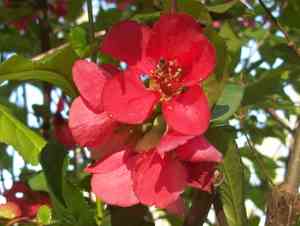
The Japanese flowering quince (Chaenomeles japonica) is a charming deciduous shrub recognized for its stunning, vibrant blossoms that appear in early spring. Originating from East Asia, it has become a favorite among gardeners due to its minimal upkeep and significant decorative appeal. This resilient plant can reach heights of 1.5-3 meters (5-10 feet) and serves as an excellent addition to both indoor and outdoor gardens.
Overview of Japanese flowering quince
Overview of Japanese flowering quince
The Japanese flowering quince is valued for its glossy green foliage and visually striking flowers, which range in hue from red to pink to white. Its fruits, though not typically consumed raw, can be utilized in cooking and for making jellies. The plant's hardiness makes it a versatile addition to various landscapes, whether as a solitary shrub, part of a hedge, or cultivated as a bonsai.
Climate and Hardiness
As a frost-tolerant plant, the Japanese flowering quince thrives in USDA Hardiness Zones 5-9, where winter temperatures can fall to -23°C (-10°F). Despite its resilience, providing proper care during the colder months ensures the plant not only survives but flourishes once the growing season recommences.
When to Start Preparing
When to Start Preparing
Begin preparing your Japanese flowering quince for winter as soon as autumn arrives, typically around late October. This timing allows the plant to gradually adapt to colder temperatures and ensures all protective measures are in place before the initial frost.
Necessary Tools and Materials
You'll require the following items to overwinter your Japanese flowering quince: a pair of pruning shears, mulch (such as straw, bark, or wood chips), anti-desiccant spray, a gardening rake, and weatherproof covers if needed. Having these tools readily available will streamline the entire process.
Pruning and Clearing Debris
Pruning and Clearing Debris
First, trim any dead or diseased branches using your pruning shears. This prevents the spread of illness and keeps the plant manageable. Remove fallen leaves and debris from around the plant's base with a rake. Clearing debris reduces the risk of pests and diseases that can survive winter in plant litter.
Mulching and Insulation
Mulching is crucial for safeguarding the Japanese flowering quince roots from extreme cold. Apply a thick layer of mulch, approximately 5-10 cm (2-4 inches), around the plant's base. This helps regulate soil temperature and retain moisture. In particularly harsh climates, consider adding a weatherproof cover to further shield the plant.
Watering Needs in Winter
Although the Japanese flowering quince requires less water in winter, maintaining adequate soil moisture is essential. Watering should be done sparingly, approximately once every 3-4 weeks, ensuring the soil is moist but not waterlogged. Always check the soil moisture before irrigating.
Overwatering or Underwatering
Overwatering or Underwatering
Achieving the correct balance with watering is vital. Excessive water can lead to root rot, while insufficient water can cause dehydration. Adhere to the recommended watering schedule and always verify the soil's moisture content first.
Incorrect Insulation Methods
Improper insulation can either suffocate the plant or fail to protect it. Ensure the mulch layer is not too thick, as this can impede air circulation, and avoid piling mulch directly against the stem to prevent decay.
Checking for Pests and Diseases
Checking for Pests and Diseases
Periodically inspect your plant for indications of pests and diseases, such as discolored leaves, unusual spots, or visible insects. Early detection and treatment can prevent significant damage.
Adjustments Based on Weather Changes
Keep an eye on weather forecasts and be prepared to modify your care routine accordingly. Extended warm periods may necessitate additional watering, while unexpected cold snaps might require extra insulation or covering.
Transitioning Back to Warm Weather
Transitioning Back to Warm Weather
As temperatures rise, gradually reduce any insulation and remove excess mulch to prevent waterlogging. Monitor the plant closely for any signs of new growth and ensure it receives adequate sunlight and water.
Resuming Regular Maintenance
Resume your regular maintenance routine, including watering, fertilizing, and pruning as needed. A balanced fertilizer applied during early spring can provide the necessary nutrients for robust growth and a plentiful blooming season.



