How to Overwinter Common buttonbush
1
Common buttonbush is inherently resistant to cold but still gains from certain winter preparations.
2
Trimming Common buttonbush is most effective prior to the start of cold temperatures to encourage robust spring development.
3
Employing both ground cover and a suitable protective layer can greatly enhance Common buttonbush's survival in regions susceptible to frost.
Understanding the Winter Needs of Common buttonbush
Understanding the Winter Needs of Common buttonbush
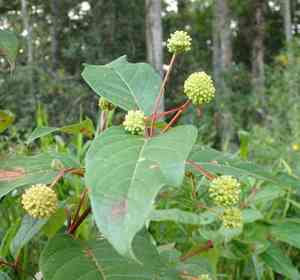
Common buttonbush is a robust deciduous shrub indigenous to North American wetlands and riverbanks. This perennial is recognized for its distinctive spherical flower clusters that emerge in summer, offering excellent visual appeal and attracting various pollinators. Being naturally resistant to frost, Common buttonbush can endure harsh winter conditions, but additional winter preparation steps can ensure its vitality when warmer seasons return.
When to Start Preparing Common buttonbush for Winter?
Signs Common buttonbush is Ready for Dormancy
As autumn progresses, you'll observe Common buttonbush beginning to conclude its annual growth cycle. Key indicators include yellowing leaves and a general deceleration of new growth. These signs suggest the plant is entering its dormant phase, which is an opportune time to commence your winter preparations.
Ideal Timing for Winter Preparation
Start preparing your Common buttonbush for winter when fall temperatures consistently drop below 10°C (50°F). This typically occurs around late October to early November. Actions such as pruning and mulching should be completed early enough to shield the plant from the initial frost, but not so early as to disrupt its natural dormancy process.
How to Prepare Common buttonbush for Overwintering?
Pruning Common buttonbush Before Winter
Begin by pruning your Common buttonbush to remove any dead or diseased wood. This helps minimize the risk of pest infestations and diseases during winter. Prune to shape the plant and maintain its structure, cutting branches just above a healthy bud. Remember to sanitize your pruning tools to prevent disease transmission.
Mulching Techniques to Protect Common buttonbush
Applying a thick layer of mulch around the base of your Common buttonbush provides essential insulation against freezing temperatures. Use organic mulch like straw, leaves, or wood chips, spreading it about 7-10 cm (3-4 inches) thick around the root zone. This helps retain soil moisture and protect roots from extreme cold.
Watering Needs During Winter Preparation
Leading up to winter, ensure your Common buttonbush is adequately watered, especially before the first frost. A thorough watering session will help the plant withstand the dry winter months better. However, once the ground freezes, significantly reduce watering to prevent root rot and other water-related issues.
Do Common buttonbush Need Winter Coverage?
Benefits of Covering Common buttonbush in Frost Areas
In regions with severe frost, covering your Common buttonbush can offer additional protection. Covers can help prevent desiccation and damage from freezing winds, which can harm the plant's structure.
Best Materials for Covering Common buttonbush
Use breathable materials like burlap or frost fabric to cover your Common buttonbush. This allows moisture and air to circulate while still providing a protective layer against frost. A rigid frame can be used to create a tent-like structure over the plant, preventing the cover from touching the foliage and causing damage.
Common Mistakes to Avoid When Overwintering Common buttonbush
Improper Pruning Techniques
Avoid extensive pruning just before winter as this can stress the plant. Removing too much foliage can expose more of the plant to cold damage. Always aim for strategic and minimal pruning before colder temperatures arrive.
Overwatering During Winter Months
One of the most frequent errors is overwatering during winter. Once the ground is frozen, drastically reduce irrigation. Overwatering can lead to root rot, which is detrimental to the health of your Common buttonbush.
Failing to Provide Adequate Mulch
Skipping the mulching step can leave the roots susceptible to freeze-thaw cycles, which harm the plant. Ensure you apply a sufficient layer of organic mulch to protect the root system throughout the winter months.



