How to Overwinter Red valerian
1
Red valerian tolerates temperatures down to -20°C (-4°F).
2
Consistent mulching helps maintain warmth and insulation for Red valerian roots through winter.
3
Trimming Red valerian in early fall promotes more robust growth come spring.
What is Red valerian?
What is Red valerian?
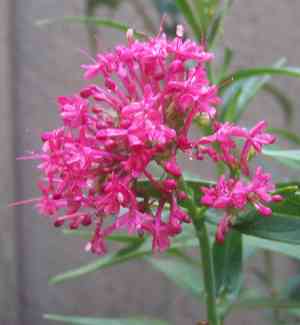
Known for its vivid clusters of red, pink, or white blooms, Red valerian (Centranthus ruber) is a versatile perennial that adds a burst of color to gardens. It's not only visually appealing but also draws in bees, butterflies, and hummingbirds, making it a favorite among gardeners who value biodiversity. It thrives in well-drained soil and loves full sun, making it suitable for various landscapes. However, despite its resilience, Red valerian requires specific care to flourish through the winter months.
Preparing Red valerian for Winter
Pruning Techniques
Before winter arrives, cut Red valerian back to approximately 30 cm (12 inches). This step not only tidies the plant but also redirects its energy to the roots, improving its chances of surviving the cold. Pruning should ideally be done in early autumn, allowing ample time for the plant to recover before the first frost.
Mulching for Extra Protection
Mulching plays a vital role in safeguarding Red valerian during winter. Apply a 5-10 cm (2-4 inches) layer of mulch around the plant's base. Materials like straw, leaves, or compost work well. Mulching insulates the roots, retains moisture, and prevents damaging freeze-thaw cycles in the soil.
Watering Requirements Before Winter
Proper watering before winter is essential. Ensure Red valerian is thoroughly watered in late autumn, as well-hydrated plants are more resistant to cold. However, avoid waterlogging, which can lead to root rot. The key is to find a balance—maintain moisture without making the soil muddy.
Indoor vs. Outdoor Winter Care for Red valerian
Indoors: Potting and Placement
If you opt to bring Red valerian indoors, pot it in a container with good drainage. Place the pot in a cool, bright spot where it can receive indirect sunlight. A temperature range of 10-15°C (50-59°F) is ideal. Water sparingly—just enough to prevent the soil from completely drying out.
Outdoors: Protecting in Harsh Climates
For those in regions with severe winters, outdoor protection is necessary. Cover the plant with a cloche or frost cloth to shield it from extreme cold and winds. Adding an extra layer of mulch can also boost its defense against freezing temperatures. Another tip is to plant Red valerian near a heated wall or fence that can provide some warmth.



