How to Overwinter Crimson fountain grass
1
During winter, water Crimson fountain grass infrequently; excessive dampness can lead to root decay.
2
Employ a potting mix that drains effectively to avoid surplus moisture when keeping indoors over winter.
3
Crimson fountain grass may be trimmed down to roughly 15-20 cm (6-8 inches) tall to control its size and encourage fresh development.
Understanding Crimson fountain grass and Its Requirements
Understanding Crimson fountain grass and Its Requirements
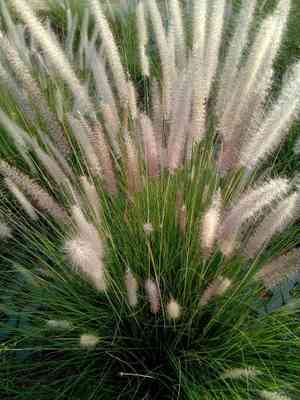
The Crimson fountain grass, recognized for its striking burgundy-hued plumes and arching form, is a favored ornamental grass. Originating from warmer regions, this perennial flourishes in full sun and well-drained soil. Grasping its preferences for light, soil, and moisture is vital for successful overwintering. It reaches up to 1.5 meters (5 feet) in height and adds a dramatic touch to any garden. Whether cultivated outdoors in borders or as a container specimen, maintaining its health during colder periods demands particular attention.
Steps for Overwintering Crimson fountain grass Outdoors
Pre-Winter Preparation
Begin by trimming the grass. Cut it back to approximately 15-20 cm (6-8 inches) in height. This lessens the plant's nutrient demand and simplifies management. Additionally, clear away any debris around the base to deter rot and pest infestations.
Protecting the Grass from Frost
Apply a thick layer of mulch around the plant's base, up to 7.5-10 cm (3-4 inches) deep. Mulch serves as insulation, safeguarding the roots from freezing temperatures. You can utilize straw, leaves, or compost for mulching. In extremely cold conditions, covering the plant with a burlap sack or frost cloth provides additional protection.
Monitoring Through the Winter
Periodically check on your Crimson fountain grass throughout the winter. Confirm the mulch layer is intact and replenish it if needed. Inspect for indications of frost damage or pest activity. Avoid disturbing the plant excessively; allow it to remain dormant until the spring thaw.
Steps for Overwintering Crimson fountain grass Indoors
Transplanting into Pots
If you opt to overwinter your Crimson fountain grass indoors, start by carefully digging up the plant before the first frost. Use a sharp spade to prevent root damage. Transfer the plant into a large pot with adequate drainage holes. Fill the pot with a well-draining potting mix to avoid waterlogging.
Indoor Environment Setup
Position the potted grass in a cool, well-lit area. A garage or basement with a window is suitable. Ensure it receives indirect light to prevent etiolation but avoid direct sunlight to keep it in a semi-dormant state. Maintain the indoor temperature between 4-10°C (40-50°F) to simulate natural winter conditions.
Care Tips for Indoors
Water sparingly, just enough to keep the soil slightly damp. Excessive watering can lead to root rot. Monitor the plant for any signs of pests such as spider mites or aphids; treat promptly if detected. Maintaining a stable indoor environment will allow your grass to survive the winter months with minimal stress.
Common Issues When Overwintering Crimson fountain grass
Pests and Diseases
Indoor overwintering can expose Crimson fountain grass to pests like spider mites. Regularly inspect the foliage and treat with insecticidal soap if necessary. Outdoors, fungal diseases may occur if the plant remains wet for extended periods. Ensuring good air circulation and proper watering practices helps prevent these issues.
Overwatering and Underwatering
Balance is crucial when watering Crimson fountain grass in winter. Too much water leads to root rot, while too little can cause the plant to dry out. Aim to keep the soil lightly moist indoors. Outdoors, reduce watering frequency but ensure the mulch layer is not waterlogged.



