How to Overwinter Crimson cattleya
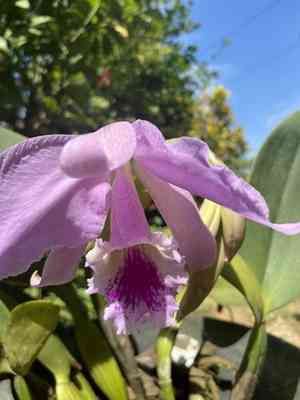
1
Crimson cattleya flourishes in temperatures ranging from 20-25°C (68-77°F).
2
Keep humidity at 50-60% for best development.
3
Provide them with a minimum of 6-8 hours of filtered sunlight each day in winter.
What is Overwintering?
What is Overwintering?
Overwintering involves safeguarding plants during the cold winter months to ensure their survival until warmer weather returns. This is especially vital for delicate plants like Crimson cattleya, which are not naturally suited to freezing conditions. By creating a controlled environment that mimics their native habitat, we can help these plants not only endure but flourish through the winter.
Why is Crimson cattleya Considered Tender?
Understanding Tender Plants
Tender plants are those unable to endure cold, particularly frost and freezing temperatures. They often originate from tropical or subtropical climates and have specific needs that must be met to keep them healthy throughout the winter. Unlike robust plants, they lack the resilience to survive harsh weather without human intervention.
Specific Needs of Crimson cattleya
Crimson cattleya is an orchid species that thrives in tropical environments. It requires warmth, high humidity, and ample indirect sunlight. In cold climates, these conditions are difficult to provide naturally, which is why they are considered tender and need special care to overwinter successfully. Without proper protection, the plant may suffer from cold stress, leading to stunted growth or even death.
How to Prepare Crimson cattleya for Overwintering?
Inspection and Cleaning
Before bringing your Crimson cattleya indoors for the winter, thoroughly inspect the plant. Look for indications of pests, diseases, or any unhealthy foliage that needs removal. Cleaning the plant is also essential; gently wipe the leaves with a damp cloth to remove dust and debris. This aids in pest management and ensures efficient photosynthesis.
Pruning and Repotting
Pruning helps eliminate any dead or dying plant parts, which could otherwise harbor pests or diseases during winter. It's also an opportune time to repot your Crimson cattleya if necessary. Select a pot slightly larger than the current one and use a well-draining orchid mix. This encourages healthy root development and prevents issues related to overwatering.
Adjusting Water and Fertilizer
During winter, plants generally need less water due to slower growth rates. Water your Crimson cattleya sparingly to prevent waterlogged roots. Fertilization should also be reduced; use a balanced orchid fertilizer but apply it at half strength to maintain nutrient levels without overfeeding.
Optimal Indoor Conditions for Overwintering Crimson cattleya
Ideal Temperature Range
Crimson cattleya prefers temperatures between 20-25°C (68-77°F). At night, a slight drop to 15-18°C (59-64°F) is beneficial. Ensure the indoor environment does not fall below this range, as it could negatively impact the plantâs health.
Humidity Levels
Orchids, including Crimson cattleya, require relatively high humidity. Aim for a humidity level of 50-60%. You can achieve this by using a humidifier, placing a water tray near the plant, or regularly misting the leaves.
Light Requirements
Light is crucial for the Crimson cattleya. Ensure it receives at least 6-8 hours of indirect sunlight daily. If natural light is insufficient, consider using a grow light as a supplement. It's vital to avoid direct sun, which can scorch the leaves, but insufficient light will equally impede its growth.
Common Problems and Solutions during Overwintering Crimson cattleya
Pest Management
Pests such as spider mites, aphids, and mealybugs can become an issue indoors. Regularly check your Crimson cattleya for these pests. A mild soap solution can treat infestations, but severe cases may require a specific insecticide designed for indoor plants.
Dealing with Mold and Mildew
High humidity can sometimes lead to mold and mildew on the leaves. Ensure good air circulation by using a fan and prevent water from sitting on the leaves. Clean any mold immediately with a diluted solution of hydrogen peroxide and water.
Addressing Yellowing Leaves
Yellowing leaves can indicate various problems, including overwatering, insufficient light, or nutrient deficiencies. Adjust your care routine accordingly: reduce watering, ensure adequate light, and review your fertilization schedule.
How to Transition Crimson cattleya Back Outdoors
Gradual Acclimatization
Once the risk of frost has passed, you can begin moving your Crimson cattleya back outdoors. Start by placing it in a shaded area for a few hours daily, gradually increasing its exposure to outdoor conditions over several weeks.
Monitoring for Shock
Watch for signs of transplant shock, such as wilting or leaf drop. If you observe these signs, reduce the time the plant spends outdoors until it acclimates better. Providing a stable, warm environment and proper care will help your Crimson cattleya adjust smoothly.



