How to Overwinter Madagascar periwinkle
1
The Catharanthus roseus is sensitive to cold and needs careful protection during winter.
2
Begin overwintering preparations a minimum of one month prior to the initial anticipated frost.
3
Ensuring adequate moisture in the air is vital for indoor winter care.
Why Overwinter Madagascar periwinkle?
Why Overwinter Madagascar periwinkle?
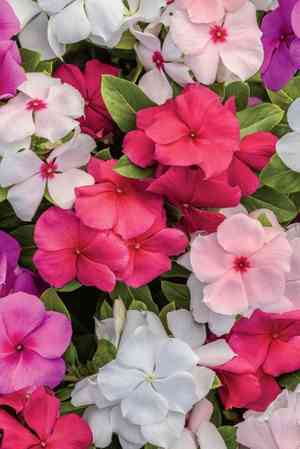
The Madagascar periwinkle (Catharanthus roseus) is a cherished plant recognized for its vivid, colorful blossoms. Originating from Madagascar, it flourishes in tropical environments. However, it is sensitive to frost, meaning it cannot endure the harsh winter cold common in many U.S. regions. By overwintering your Madagascar periwinkle, you can shield it from freezing temperatures and enjoy its beauty year after year. Overwintering ensures the plant enters spring healthy and prepared to thrive.
Preparing Madagascar periwinkle for Overwintering
When to Start the Preparation?
Initiate preparation at least four weeks prior to the first anticipated frost. This provides ample time to resolve any issues and confirm the plant is ready for its indoor transition. Monitoring long-range weather forecasts can be particularly useful for accurate timing.
Pruning and Cleaning the Plant
Pruning your Madagascar periwinkle involves trimming back any elongated or overgrown sections of the plant. This promotes more vigorous growth in the spring. Additionally, clean the plant by removing dead or yellowed foliage and debris to prevent potential pest or disease problems indoors.
Checking for Pests and Diseases
Inspect your Madagascar periwinkle for indications of pests like aphids, whiteflies, or spider mites. Examine both sides of the leaves and stems. If pests are found, treat the plant with a suitable pesticide or insecticidal soap before bringing it inside. Also, look for signs of mold or disease, and treat as needed.
Repotting If Necessary
If your Madagascar periwinkle has outgrown its container or the soil appears compacted, consider repotting it into fresh, well-draining soil. Select a slightly larger pot to accommodate future growth, and ensure it has adequate drainage holes to prevent waterlogging.
Indoor Overwintering Techniques
Choosing the Right Location
Select a spot in your home where the temperature remains stable, ideally between 15-20°C (59-68°F). Avoid areas with drafts, sudden temperature fluctuations, or heaters, as these can stress the plant.
Ideal Light Conditions
Although the Madagascar periwinkle can tolerate lower light conditions during the winter months, it still requires bright, indirect light to flourish. Position it near a south-facing window or under grow lights if natural light is insufficient.
Maintaining Proper Humidity Levels
Indoor air can be quite dry, especially during the winter months. Maintain humidity levels around your Madagascar periwinkle by using a humidifier or placing a tray of water and pebbles nearby. Regular misting can also help keep humidity levels optimal.
Watering and Feeding during Overwinter
Adjusting Watering Frequency
Water your Madagascar periwinkle less often during the winter months. Allow the top 2-3 cm (1 inch) of soil to dry out between waterings. Overwatering can lead to root rot, which is more common during the colder months.
Best Practices for Winter Feeding
Feeding should be reduced during the winter. Use a balanced, water-soluble fertilizer diluted to half-strength once a month. This provides essential nutrients without overwhelming the plant during its dormant period.
Common Problems and Solutions
Yellowing Leaves
Yellowing leaves can indicate overwatering, poor drainage, or nutrient deficiency. Ensure your plant is not sitting in water, and check if the soil drainage is adequate. Adjust your watering schedule and consider feeding the plant lightly if the issue persists.
Root Rot
Root rot is often caused by inadequate drainage or excessive watering. If you notice a foul odor or soft roots, remove the plant from its pot, trim off the affected roots, and repot it in fresh, well-draining soil. Adjust your watering habits to prevent recurrence.
Pest Infestations
Indoor environments can still attract pests. Check your Madagascar periwinkle regularly for signs of pests such as aphids or spider mites. Treat infestations promptly with insecticidal soap, neem oil, or other appropriate methods.



