How to Overwinter Northern catalpa
1
Northern catalpa trees are resilient to temperatures as low as -34°C (-30°F).
2
Trimming in late autumn helps avoid harm from winter weather.
3
Appropriate mulching insulates roots and lessens frost damage.
Grasping the Winter Requirements of Northern catalpa
Grasping the Winter Requirements of Northern catalpa
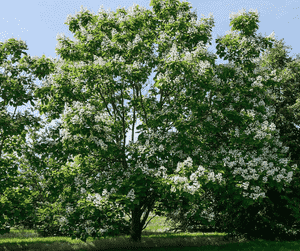
The Northern catalpa is a resilient deciduous tree recognized for its large heart-shaped foliage and striking white blossoms. As a robust species, it can endure temperatures as low as -34°C (-30°F), making it an excellent option for colder climates. Comprehending its fundamental winter necessities is vital for ensuring its health and vitality during its dormant phase. Properly preparing your Northern catalpa for winter will help it flourish year after year.
Getting Northern catalpa Ready for Winter
Assessing the Plant's Current Condition
Prior to winter's arrival, evaluate your Northern catalpa for any indications of illness or poor health. Look for alterations in leaf color, premature leaf shedding, or cracked bark. Addressing these concerns early will enable the tree to enter winter in optimal condition.
Pruning Methods Before Winter
Late autumn is the ideal time to prune your Northern catalpa. Remove any dead or diseased branches to lessen the risk of winter storm damage. Pruning also aids in improving air circulation, which can deter fungal problems. Ensure you use clean, sharp tools for precise cuts.
Soil and Mulching Recommendations
Mulching is crucial for insulating the roots of your Northern catalpa. Apply a 5-10 cm (2-4 inch) layer of organic mulch, such as shredded bark or wood chips, around the tree's base. This helps retain moisture and provides a barrier against the cold. Be sure to keep the mulch away from the trunk to prevent rot.
Watering Northern catalpa During Winter
Watering Frequency
While Northern catalpa needs less water during winter, it's important to keep the soil moderately moist but not waterlogged. Avoid watering during freezing temperatures, as this can harm the roots.
Best Practices for Winter Watering
Water your Northern catalpa deeply before the ground freezes to ensure the roots are well-hydrated. Use approximately 15-20 liters (4-5 gallons) of water per watering session, once every 3-4 weeks during dry periods in winter. This helps prevent dehydration without over-saturating the plant.
Common Winter Issues for Northern catalpa
Signs of Frost Damage
Frost damage in Northern catalpa often appears as blackened, wilted leaves or cracked, split bark. These symptoms indicate that the plant's tissues have frozen and thawed too quickly. Prune any damaged areas in early spring to encourage new growth.
Prevention and Treatment of Common Diseases
Northern catalpa can suffer from various diseases during winter, such as verticillium wilt or fungal infections. To prevent these issues, ensure your tree is healthy before winter begins. Treat visible fungi with appropriate fungicides and consult local extensions or arboreta for specific disease management advice.



