How to Overwinter Pecan
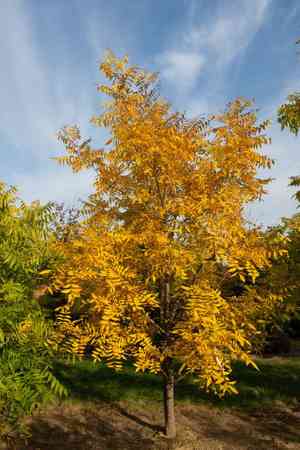
1
Pecan trees tolerate cold well, but juvenile trees require additional winter safeguarding.
2
Applying mulch can aid in insulating Pecan trees' root systems, maintaining a consistent temperature.
3
Trimming Pecan trees prior to winter assists in averting harm from substantial snow and ice.
Grasping Pecan Tree Cold Tolerance
Grasping Pecan Tree Cold Tolerance
When preparing Pecan trees for winter, comprehending their cold hardiness is vital. Pecan trees are generally robust and can withstand typical winter cold. While mature trees tolerate significant frost, younger, less established trees are more susceptible and may require extra protection to survive colder months. Their ability to endure low temperatures makes Pecan trees suitable for various climates, yet they still benefit from proper winter care to flourish.
Winter Preparation for Pecan Trees
Trimming Pecan Trees
Trimming is a crucial step in readying Pecan trees for winter. Begin by removing any dead, damaged, or diseased limbs. This not only helps maintain the tree's form but also prevents potential disease spread. Additionally, pruning helps lessen the chance of branches breaking under snow and ice weight. Always use sharp pruners for clean cuts to reduce tree stress. Aim to prune in late autumn when the tree is dormant for optimal results.
Pre-Winter Hydration Needs
Pecan trees need sufficient watering before winter arrives. Water deeply in late fall, providing approximately 2.5 cm (1 inch) of water weekly. This thorough watering ensures trees are well-hydrated before the ground freezes, aiding their winter survival. Avoid watering immediately before a frost to prevent ice formation around roots, which can cause harm.
Mulching for Insulation
Mulching effectively insulates Pecan tree roots from extreme temperatures. Apply a thick layer of mulch, about 5-8 cm (2-3 inches), around the tree's base. Use organic materials like straw, wood chips, or shredded bark. Mulch helps regulate soil temperature and moisture, creating a stable environment for roots during winter. Ensure mulch is spread evenly and avoid piling it directly against the trunk to prevent rot.
Protecting Young Pecan Trees from Cold
Wrapping Young Trees
Young Pecan trees are particularly vulnerable to cold damage. Wrapping them is a practical way to offer additional protection. Use burlap or tree wrap material to cover the trunk, starting from the base and moving upwards. This wrapping acts as a barrier against freezing temperatures and harsh winds. Secure the wrap with twine or zip ties, ensuring it's snug but not too tight to avoid constriction. Remove the wrap in early spring to prevent fungal growth.
Utilizing Windbreaks
Windbreaks are another effective method to shield young Pecan trees from cold winds. You can construct windbreaks using hay bales, wooden planks, or by planting evergreen shrubs around your Pecan trees. The goal is to protect the young trees from harsh winter winds, which can lead to dehydration and damage to their delicate bark. Position windbreaks on the side facing prevailing winds for maximum effectiveness.
Common Winter Pests and Diseases Affecting Pecan Trees
Identifying Winter Pests
Winter can introduce various pests that target Pecan trees. Common culprits include rodents, such as mice and voles, which may gnaw on bark, and aphids that can gather on branches. Regularly inspect your trees for signs of pest activity, like chewed bark or insect clusters. Implement preventive measures, such as using rodent guards or horticultural oil sprays, to keep pests at bay.
Disease Prevention and Treatment
Winter conditions can also worsen certain diseases in Pecan trees, such as Pecan scab or fungal infections. To prevent these, ensure your trees are properly pruned and mulched, as good airflow and soil insulation reduce disease risk. If you observe any disease symptoms, such as black spots or mold growth, consider applying appropriate fungicides as advised by your local agricultural extension office.
Post-Winter Care for Pecan Trees
Checking for Winter Damage
Once winter has passed, the initial step is to inspect your Pecan trees for any damage incurred during the cold season. Look for broken branches, frost cracks, or rodent damage on the bark. Address any damage by pruning away affected parts and applying wound sealant if necessary to aid healing and prevent disease entry.
Resuming Regular Watering and Feeding
As temperatures begin to rise, gradually reinstate regular watering and feeding routines. Water your Pecan trees deeply, providing about 2.5 cm (1 inch) of water weekly, and commence a balanced fertilization program to encourage healthy new growth. Avoid over-fertilizing, which can cause more harm than good.
Pruning for New Growth
Spring is an ideal time to prune your Pecan trees for new growth. Focus on removing any dead or damaged branches remaining from winter, and thin out crowded areas to enhance light penetration and air circulation. Proper pruning promotes robust, healthy growth and prepares the tree for a productive growing season.



