How to Overwinter Bitternut hickory
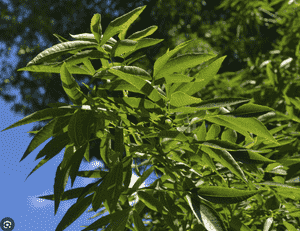
1
Bitternut hickory is extremely frost-hardy and can tolerate temperatures as low as -34°C (-30°F).
2
Proper mulching can help regulate soil temperature and protect roots during winter.
3
Pruning should be done during the dormant season to prevent unnecessary stress on the tree.
Understanding Bitternut hickory and Its Frost Hardiness
Understanding Bitternut hickory and Its Frost Hardiness
The Bitternut hickory (Carya cordiformis) is a majestic tree known for its vigorous growth and resilience to cold weather. Native to North America, these hardwood trees are renowned for their strength and adaptability, making them a preferred choice for both landscapers and homeowners. Plant enthusiasts will appreciate the tree's ability to withstand harsh winters, with frost-hardiness down to -34°C (-30°F). This ability doesn't mean theyâre invincible, though; even the hardiest trees need a little TLC to thrive through the coldest months.
Preparing Bitternut hickory for Winter
When to Start Preparing
It's best to start winter preparations in late autumn before the first frost hits. Usually, this means beginning your efforts in October or November. By starting early, you can ensure that your Bitternut hickory is adequately shielded from sudden temperature drops and winter's harsh elements.
Required Tools and Materials
Preparation requires some essential tools and materials. You'll need a good quality mulch, pruning shears, protective wraps or burlap, and a watering can. Here's a quick checklist to get you started: Mulch: Organic mulch like straw or wood chips. Pruning Shears: For removing dead or weak branches. Burlap or Tree Wrap: To cover and protect the tree trunk. Watering Can: To provide adequate hydration before the ground freezes.
What Winter Care Does Bitternut hickory Need?
Watering Guidelines
Proper watering is crucial before the onset of winter. Water the tree deeply in late autumn to ensure it has enough moisture to sustain it through the winter months when the ground is frozen. Aim to give your Bitternut hickory about 38 liters (10 gallons) of water per week leading up to frost.
Mulching and Ground Cover
Mulching is a simple yet effective way to protect your Bitternut hickory. Apply a thick layer of organic mulch, about 7-10 cm (3-4 inches) deep, around the base of the tree, extending out to the drip line. This will help insulate the soil, retain moisture, and protect the roots from freezing temperatures.
Pruning and Protection
Prune your Bitternut hickory during its dormant period in late autumn. Focus on removing any dead, diseased, or weak branches to reduce the risk of breakage from heavy snow or ice. Wrap the trunk with burlap or tree wrap to protect it from harsh winds and frost cracks.
Common Issues When Overwintering Bitternut hickory
Pest and Disease Management
Even during the winter, pests and diseases can pose a threat. Regularly inspect your Bitternut hickory for signs of common pests like hickory bark beetles. Applying dormant oil spray can help deter overwintering pests. Ensure the area around the tree is clean and free from fallen leaves or debris that can harbor pests and fungal spores.
Identifying Winter Damage
Winter damage can manifest as split bark, broken branches, or discolored leaves. After any severe weather event, inspect your tree for these signs. If you notice any damage, prune affected areas promptly to prevent further injury and to promote healing.
Tips for a Healthy Bitternut hickory in Spring
Post-Winter Inspection
As winter ends and temperatures start to rise, conduct a thorough inspection of your Bitternut hickory. Look for any winter damage and address it promptly by pruning dead or damaged branches. Check the mulch and replenish if necessary.
Spring Nutrient Boost
Give your Bitternut hickory a nutrient boost with a balanced fertilizer, preferably a slow-release type. This supports new growth as the tree comes out of dormancy. Additionally, consider adding compost or well-rotted manure to enhance soil quality and provide essential nutrients.



