How to Overwinter Bluebell bellflower
1
Bluebell bellflower tolerates cold but needs some winter attention.
2
Trim Bluebell bellflower in late fall to avoid damage during winter.
3
Think about applying mulch and covers to protect the plant from severe cold.
Why Overwinter Bluebell bellflower?
Why Overwinter Bluebell bellflower?
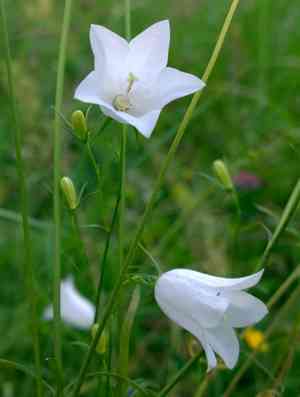
The Bluebell bellflower (Campanula rotundifolia), recognized for its striking blue blossoms, is a perennial that flourishes in diverse climates. Despite its resilience to cold, proper winter care is crucial for the plant to endure the chilly months and bloom beautifully in spring. Overwintering is especially vital if you reside in a region with harsh winters, as it safeguards the plant from potential harm caused by frost, freezing temperatures, and strong winds.
Preparing Bluebell bellflower for Winter
Pruning Tips for Bluebell bellflower
Trimming your Bluebell bellflower is an essential step in winter preparation. As the blooming period concludes in late autumn, cut back the stems to roughly 10 centimeters (4 inches) above the soil. This practice helps prevent the plant from expending energy on sustaining dead or damaged leaves and promotes healthier growth in the spring. Be sure to use clean, sharp pruning shears to avoid injuring the plant and inviting disease.
Soil Preparation for Winter Months
Proper soil preparation is another key aspect of winterizing your Bluebell bellflower. Ensure the soil drains well to prevent waterlogging, which can lead to root rot. Incorporating organic matter like compost can enhance soil texture and fertility, giving your plant a head start once the weather warms. Additionally, a layer of mulch can help maintain soil temperature and reduce moisture loss during winter.
Watering Guidelines Before Frost
As winter approaches, gradually decrease the frequency of watering your Bluebell bellflower. Water the plant thoroughly before the first frost, ensuring the roots are adequately hydrated. Once the ground freezes, refrain from excessive watering as the plant is dormant, and too much water can cause the roots to rot. Aim for about 2.5 centimeters (1 inch) of water per week until the frost sets in.
Protecting Bluebell bellflower During Winter
Mulching Techniques for Bluebell bellflower
Mulching is a highly effective method for insulating the roots of your Bluebell bellflower against the winter cold. Apply a generous layer of organic mulch, such as straw, leaves, or wood chips, around the base of the plant. Aim for a mulch depth of 5 to 7.5 centimeters (2 to 3 inches). This mulch layer helps to regulate soil temperature, retain moisture, and prevent frost heaving.
Using Covers and Cloches
Protective covers and cloches are excellent options for shielding your Bluebell bellflower from extreme cold and icy winds. Use frost blankets, burlap, or even upturned pots to cover the plant during the harshest winter nights. Ensure proper ventilation to prevent mold growth. These covers provide an additional layer of protection, helping to trap heat and moisture around the plant.
Location Considerations for Overwintering
If your Bluebell bellflower is potted, consider moving it to a sheltered location during winter. An unheated garage, shed, or a cold frame can offer protection from the worst of the weather. Ensure the plant is placed in an area with indirect sunlight to avoid encouraging premature growth. For garden-planted Bluebell bellflowers, choose a spot that is naturally sheltered from harsh winds and heavy snowfall.
Post-Winter Care for Bluebell bellflower
Assessing Plant Health After Winter
As winter fades and temperatures begin to rise, inspect your Bluebell bellflower for signs of damage or disease. Look for new shoots and healthy green growth. Remove any dead or damaged foliage, and prune as necessary to shape the plant. This assessment will help you identify any potential issues early on and take corrective measures before the growing season kicks in.
Spring Watering and Feeding Practices
Once the risk of frost has passed, resume regular watering. For optimal growth, the plant should receive approximately 2.5 centimeters (1 inch) of water per week. Begin feeding your Bluebell bellflower with a balanced, slow-release fertilizer to support robust growth. Follow the manufacturerâs instructions for application rates to avoid over-fertilizing.
Common Overwintering Issues for Bluebell bellflower
Preventing Frost Damage
To prevent frost damage, ensure your Bluebell bellflower is well-mulched and covered during extreme weather. Frost damage can manifest as blackened or wilted foliage. If you notice these symptoms, gently trim the affected areas, and focus on protective measures to avoid further damage.
Dealing with Pests and Diseases
Winter can sometimes bring about pests like aphids and diseases such as powdery mildew. Regularly inspect your Bluebell bellflower and treat any infestations promptly with insecticidal soap or neem oil. Good air circulation and proper sanitation around the plant can help prevent these issues.



