How to Overwinter Carolina allspice
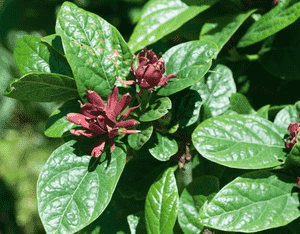
1
Carolina allspice is resilient and withstands temperatures as low as -23°C (-10°F).
2
The plant thrives in partial to full sunlight, yet tolerates some shade in colder months.
3
Sufficient mulch application can lessen frost harm and aid in moisture retention over winter.
What is Overwintering Carolina allspice?
What is Overwintering Carolina allspice?
Overwintering refers to the process of preparing garden plants to endure the colder months. For Carolina allspice (Calycanthus floridus), known for its fragrant, spicy-scented flowers and shrub-like form, this involves several steps to ensure the plant not only survives but flourishes when warmer weather returns. This article will guide you through safeguarding this resilient plant during winter.
Ideal Conditions for Carolina allspice During Winter
Temperature Tolerance
The Carolina allspice is quite robust, enduring cold temperatures down to -23°C (-10°F). While it can withstand such harsh conditions, providing some shelter can help shield the plant from wind and extreme cold, preventing potential frost damage.
Sunlight Requirements
During winter, Carolina allspice continues to benefit from ample sunlight. Ideally, it should be situated in a location that receives partial to full sun, which helps maintain the plant's health. Although winter sunlight may be less intense, it remains crucial for the plant's survival and overall vitality.
Watering Needs
Watering requirements for Carolina allspice decrease during winter as the plant's growth slows. Ensure the soil remains slightly moist but avoid waterlogging, as this can lead to root rot. Depending on your climate, watering every two weeks might suffice, but always check the soil moisture level.
Preparing Carolina allspice for Winter
Pruning and Trimming
Pruning is essential to maintain the shape and health of your Carolina allspice before winter. Remove any dead or diseased branches, and trim overgrown parts to improve airflow and reduce the risk of fungal infections. This also helps the plant conserve energy during the dormant winter months.
Mulching Techniques
Applying a thick layer of mulch, approximately 5 to 10 centimeters (2 to 4 inches), around the base of your Carolina allspice protects the roots from freezing temperatures. Mulch acts as an insulating layer, retaining soil moisture and reducing the impact of frost. Organic mulches such as bark chips, straw, or compost are excellent choices.
Protection Against Frost
In regions with severe frost, additional protection may be necessary. Covering your Carolina allspice with burlap or frost cloth can shield it from icy winds and frostbite. Secure the coverings well to prevent them from being blown away by the wind, and remove them during warmer days to prevent overheating.
Common Winter Problems for Carolina allspice and Solutions
Frost Damage
Frost damage can appear as blackened or wilted leaves and stems. To prevent this, consider using frost blankets or coverings on particularly cold nights and apply mulch generously to protect the roots. If frost damage does occur, prune the affected parts in early spring to encourage new growth.
Pest Issues
Pests such as aphids and spider mites can pose a threat even during winter. Regularly inspect your Carolina allspice for signs of infestation and treat with horticultural oil or insecticidal soap if necessary. Maintaining good plant health through proper watering and pruning can also reduce pest problems.
Root Rot
Root rot is often caused by overwatering or poor drainage. Ensure that the soil around your Carolina allspice has good drainage and reduce watering frequency in winter. If you notice any signs of root rot, such as yellowing leaves or a mushy stem base, improve soil conditions and consider replanting in better-draining soil if needed.



