How to Overwinter Basket plant
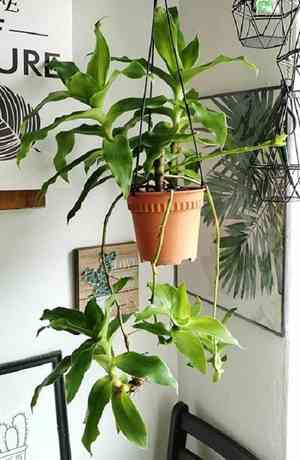
1
The Basket plant flourishes optimally in temperatures ranging from 15°C-25°C (59°F-77°F).
2
Make sure your Basket plant receives a minimum of 6 hours of filtered sunlight each day throughout the winter.
3
Periodically inspect for common pests like spider mites, which prosper in arid, warm indoor environments.
Why Is Overwintering Important for Basket plant?
Why Is Overwintering Important for Basket plant?
Overwintering is vital for the Basket plant, especially given its delicate, cold-sensitive nature. Ensuring your plant remains healthy through colder months is key to its longevity and vigorous development. Winter temperatures can fall significantly below the plant's tolerance, leading to frost damage or even death if left exposed outdoors. By moving the plant indoors and providing a controlled setting, you can shield it from harsh elements and guarantee its flourishing return in spring.
When to Start Preparing Your Basket plant for Winter
Early Signs of Temperature Drops
Begin preparing your Basket plant for winter as soon as you observe initial signs of temperature decreases. This typically occurs in late summer to early autumn when nighttime temperatures start to dip below 15°C (59°F). Monitoring weather forecasts will help you anticipate these shifts and act quickly to safeguard your plant.
Optimal Timing
The ideal time to bring your Basket plant indoors is before the first frost or when temperatures consistently fall below 10°C (50°F). Avoid delaying until the last moment, as sudden cold snaps can cause irreversible harm to the plant. Early preparation ensures a smooth transition to its winter habitat.
How to Move Basket plant Indoors for Winter?
Choosing the Right Spot
When relocating your Basket plant indoors, selecting an appropriate location is essential. Choose an area that closely replicates its outdoor environment. Ideally, a spot near a south-facing window where it can receive ample indirect light is perfect. Avoid places with direct drafts, such as close to frequently opened doors or windows.
Adjusting Light Conditions
Modifying the light conditions for your Basket plant is crucial for its continued indoor prosperity. Natural light may be scarce during winter, so consider using grow lights as a supplement. Aim for approximately 6 hours of indirect light daily. Position the grow lights at an adequate distance to prevent leaf scorching, typically around 30 cm (12 inches) above the plant.
Ensuring Proper Hydration
Maintaining adequate hydration for your Basket plant can be challenging during winter. Indoor heating can dry out the air, leading to faster soil moisture loss. Water your plant when the top 2-3 cm (1 inch) of soil feels dry, and ensure good drainage to prevent root rot. Misting the plant or using a humidity tray can help maintain sufficient humidity levels.
What Are the Common Problems During Overwintering Basket plant?
Pest Infestations
Pest infestations are common when overwintering indoor plants. The warm, dry indoor conditions can be a breeding ground for pests like spider mites, aphids, and whiteflies. Regularly inspect your Basket plant for any signs of pests and treat any infestations promptly with insecticidal soap or neem oil.
Humidity Issues
Humidity problems frequently arise during winter, as indoor air tends to be drier. The Basket plant thrives in moderate to high humidity, so it's important to counteract the dry air. Using a humidifier or placing a water-filled tray with pebbles near the plant can boost humidity, keeping your plant healthy and vibrant.
Post-Winter Care for Basket plant
Reintroducing Outdoor Conditions
As spring approaches and temperatures begin to climb, gradually reintroduce your Basket plant to outdoor conditions. Start by placing it outside for a few hours during the day, slowly extending the duration over one to two weeks. This acclimatization process helps the plant adjust without experiencing shock.
Pruning and Fertilizing
Post-winter is an excellent time for trimming any damaged or leggy growth. This encourages new, bushy growth as the weather warms up. Additionally, begin a regular fertilization schedule with a balanced, water-soluble fertilizer every two weeks to provide the necessary nutrients for robust spring and summer growth.
Monitoring for Late Frosts
Even as temperatures rise, unexpected late frosts can still occur. Keep an eye on the weather forecast and be prepared to bring your Basket plant indoors if a frost warning is imminent. This proactive approach ensures your plant remains protected until the risk of frost has completely passed.



