How to Overwinter Purple beautyberry
1
Purple beautyberry is able to withstand temperatures as low as -15°C (5°F).
2
Applying mulch around your Purple beautyberry can provide root insulation over the colder months.
3
Trimming prior to winter can lower the chance of disease and enhance the general well-being of your Purple beautyberry.
Understanding Purple beautyberry Frost Hardiness
Understanding Purple beautyberry Frost Hardiness
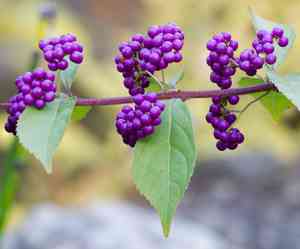
The Purple beautyberry (Callicarpa dichotoma) is a charming shrub known for its striking purple berries and deciduous leaves. This plant is frost-hardy, meaning it can endure freezing temperatures without significant harm. However, it's vital to provide extra care during extremely harsh winters to ensure its continued vitality. Typically, the Purple beautyberry can withstand temperatures as low as -15°C (5°F), making it quite resilient compared to other ornamental plants.
Preparing Your Purple beautyberry for Winter
When to Start Winter Preparations?
Begin winter preparations for your Purple beautyberry in late autumn, around mid-November. This timing allows the plant to gradually adapt to falling temperatures. Look for signs such as yellowing and shedding leaves as indicators to start your preparations.
Pruning and Cleaning
Pruning is an essential step in preparing your Purple beautyberry for winter. Remove any dead or diseased branches to prevent the spread of infections. Trim back about one-third of the plant's overall growth to maintain its shape and encourage healthy regrowth in spring. Clearing fallen leaves and debris around the plant also helps reduce the chances of pest infestations and diseases.
Mulching for Insulation
Mulching is an excellent way to protect your Purple beautyberry during cold months. Apply a 5-8 cm (2-3 inch) thick layer of mulch around the base of the plant. Materials like wood chips, straw, or compost are superb choices. This mulch layer acts as an insulator, keeping the soil temperature stable and protecting the roots from the winter's freeze-thaw cycles.
Protecting Purple beautyberry During Severe Frost
Covering and Wrapping Techniques
When severe frost is predicted, covering your Purple beautyberry can offer additional protection. Use breathable materials like burlap or frost cloths to wrap the plant. Ensure the covering doesn't directly touch the foliage as this can cause frost damage. Secure the wrap at ground level to trap heat and moisture.
Using Cloches and Cold Frames
In regions prone to extreme cold, employing cloches and cold frames can be very effective. These structures create a micro-climate around your plant. Position cloches over smaller Purple beautyberry bushes or use a cold frame for larger specimens. Both methods provide a buffer against icy winds and extreme temperature drops.
Relocating Potted Plants Indoors
If you grow Purple beautyberry in pots, the simplest way to protect them from severe frost is to bring them indoors. Place the potted plants in a garage, shed, or a cool, but not freezing, area. Ensure they receive some light, and reduce watering frequency to prevent root rot.
Monitoring Purple beautyberry Throughout Winter
Regular Check-Ups and Maintenance
Regularly inspect your Purple beautyberry throughout the winter months. Look for any signs of stress or damage and address them immediately. Checking the soil moisture is crucial; it should be moist but not waterlogged. Reapply mulch if it starts to thin out or degrade.
Signs of Frost Damage
Frost damage typically manifests as blackened or wilted leaves and stems. If you notice these signs, take action to protect the plant further. Frost-damaged parts should be pruned away to prevent any infections or diseases from taking hold.
Remedial Actions for Damage Control
If your Purple beautyberry suffers frost damage, don't panic. Prune back the damaged sections carefully in late winter or early spring. Ensure you use clean, sharp pruning tools. Apply a balanced fertilizer once the risk of frost has passed to help the plant recover and encourage new growth.



