How to Overwinter American beautyberry
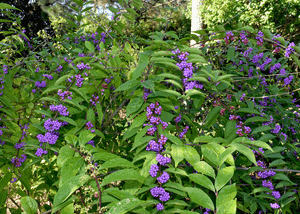
1
The American beautyberry is resilient and tolerates mild freezes, though extra attention promotes its vigor and lifespan.
2
Trim the plant in late winter to early spring, prior to the emergence of new shoots.
3
Applying mulch is crucial for American beautyberry in winter to protect its roots and maintain soil hydration.
Understanding American beautyberry Frost Hardiness
Understanding American beautyberry Frost Hardiness
The American beautyberry, a striking shrub indigenous to the southeastern U.S., is recognized for its vibrant purple berries. This plant exhibits hardiness, meaning it can endure moderate frost. Nevertheless, like all flora, providing additional attention during colder months ensures its continued vitality and health. Its frost tolerance makes it a suitable choice for gardeners in temperate zones, but comprehending how to aid its flourishing through winter is essential.
How to Prepare American beautyberry for Winter
When to Start Preparing
Winter preparation should commence in late autumn. As soon as temperatures begin to fall and the initial frost is anticipated, it's time to ready your American beautyberry for the cold spell. Ensuring your plant is prepared well before severe cold arrives can significantly impact its capacity to withstand winter conditions effectively.
Pruning Techniques
Pruning your American beautyberry is a crucial step in its winter readiness. The optimal time for pruning is late winter to early spring, prior to new growth emerging. Remove any dead or damaged branches to enhance air circulation and lessen disease risk. Pruning also promotes the plant's development of a strong structure, which benefits its health and appearance.
Mulching and Soil Insulation
Mulching is an indispensable practice for safeguarding the roots of your American beautyberry during winter. Apply a thick layer of organic mulch, such as straw or wood chips, around the plant's base. This helps insulate the soil, retain moisture, and prevent temperature fluctuations that could stress the plant. Aim for a mulch layer approximately 5-10 cm (2-4 inches) thick for optimal protection.
Winter Care Tips for American beautyberry
Watering Practices
Although American beautyberry is relatively drought-tolerant, it requires some water during winter. Ensure the soil surrounding the plant remains slightly moist but not saturated. Water sparingly, as overwatering can lead to root rot. Ideally, irrigate during the warmer hours of the day to prevent water from freezing on the soil surface.
Protecting from Extreme Cold
In areas where temperatures can drop severely, additional protection might be necessary. Consider using burlap or frost blankets to cover the plant, especially during intense cold snaps. This extra layer can prevent frost damage and offer a buffer against harsh winter winds.
Common Issues and How to Address Them
Frost Damage
Despite its frost-hardiness, there remains a risk of frost damage to the American beautyberry. If you observe blackened or mushy leaves and stems, it's likely frost damage. Prune back the affected areas in early spring to encourage new growth. Maintaining the plant's health and vigor with proper winter care practices is the best way to minimize the risk of frost damage.
Pest and Disease Control
Pests and diseases can impact American beautyberry even during the winter months. Regularly inspect the plant for indications of insect activity or fungal growth. Treat any infestations promptly with suitable organic insecticides or fungicides. Ensuring good air circulation and avoiding waterlogged conditions can help avert many common problems.



