How to Overwinter Common boxwood
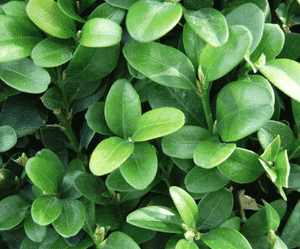
1
Common boxwood is resilient and tolerates cold temperatures with appropriate care.
2
Autumn pruning readies Common boxwood for the chilly winter period.
3
Applying mulch aids in safeguarding Common boxwood roots from freezing.
Why Overwinter Common boxwood?
Why Overwinter Common boxwood?
Winter presents difficulties for numerous plants, and Common boxwood is no exception. Despite its frost hardiness, Common boxwood benefits from specific care routines to flourish through colder periods. Proper overwintering not only safeguards the plant from extreme temperatures but also primes it for robust growth in spring. Ensuring your Common boxwood is well-prepared for winter lessens the chances of leaf scorch, illness, and root damage caused by the severe winter environment.
Preparing Common boxwood for Winter
When to Start Preparing
It's vital to begin readying Common boxwood for winter in late autumn, around mid-October, prior to the initial frost. This timeframe allows for adequate pruning and mulching, providing sufficient time for any final watering adjustments.
Pruning Techniques
Trimming your Common boxwood is essential before winter arrives. Prune the plant to remove any dead or damaged branches. This not only enhances its appearance but also enables the plant to conserve energy throughout the winter. Be gentle to avoid excessive cutting, as heavy pruning can stress the plant.
Mulching and Soil Preparation
Applying mulch around the base of the Common boxwood offers several advantages. Spread a 5-10 cm (2-4 inches) layer of organic mulch, such as wood chips or leaf mold, around the plant's base. This helps insulate the soil, retaining moisture and preventing root freezing. Mulch also provides a protective barrier against temperature fluctuations.
How to Protect Common boxwood from Frost?
Using Burlap Wraps
Enveloping your Common boxwood with burlap wraps can shield it from strong winter winds and frost. Securely wrap the burlap around the plant, ensuring it covers the entire shrub. This acts as a windbreak and offers an additional layer of insulation, reducing the risk of frost damage.
Positioning and Wind Barriers
If feasible, place your Common boxwood in an area protected from strong winds, such as near a wall or fence. Additionally, consider erecting temporary wind barriers using materials like snow fencing or wooden stakes around the plant. This can minimize exposure to cold winds and help maintain a stable microclimate.
Watering Common boxwood in Winter
Importance of Proper Watering
During winter, Common boxwood needs sufficient moisture to survive, but excessive watering can be harmful. Correct watering ensures the plant has the necessary hydration to endure cold temperatures without becoming waterlogged, which can lead to root rot.
How Much and How Often to Water
Water your Common boxwood moderately. Aim to thoroughly water the plant before the ground freezes, typically during a warmer period in late autumn. Once the ground has frozen, reduce watering, but ensure the soil remains moist. Check soil moisture regularly and water lightly during dry winter spells.
Common Winter Problems and Solutions for Common boxwood
Disease Prevention
Winter can worsen disease issues in Common boxwood, especially if the plant is stressed. Ensure good air circulation around the plant and remove any fallen leaves or debris that could harbor diseases. A fungicide spray in late fall can also help prevent fungal infections during the winter months.
Pest Management
Although pests are less active in winter, they can still threaten Common boxwood. Regularly inspect the plant for signs of pests like scale insects or mites. Treat infestations promptly using insecticidal soap or horticultural oil to keep your boxwood healthy.
Addressing Leaf Burn
Exposure to harsh winter sun and wind can cause leaf scorch on Common boxwood. To mitigate this, provide adequate shade using burlap wraps or temporary wind barriers. Consistent watering and mulching can also help reduce the risk of leaf burn.



