How to Overwinter Siberian bugloss
1
Siberian bugloss flourishes in USDA Hardiness Zones 3-8, indicating its adaptability to cooler regions.
2
Provide your Siberian bugloss with approximately 2.5 cm (1 inch) of water weekly until the initial frost.
3
Applying a 5-7.5 cm (2-3 inches) layer of organic mulch aids in safeguarding the roots from severe cold.
Understanding Siberian bugloss Frost Hardiness
Understanding Siberian bugloss Frost Hardiness
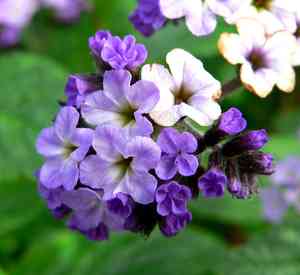
The Siberian bugloss (Brunnera macrophylla) is a robust perennial recognized for its heart-shaped foliage and delicate, forget-me-not-like blooms that appear in spring. This plant is particularly valued for its ability to endure cold temperatures, flourishing in USDA Hardiness Zones 3-8. Comprehending its frost tolerance is vital for ensuring your Siberian bugloss can survive and thrive through the winter season.
Preparing Siberian bugloss for Overwintering
When to Start Preparation
Start getting your Siberian bugloss ready for overwintering in mid to late fall, prior to the first frost (typically around late October or early November, depending on your location). Early preparation is crucial for ensuring the plant is in prime condition to withstand the colder months.
Watering Needs Before Winter
Siberian bugloss requires sufficient watering before winter dormancy. Aim to provide approximately 2.5 cm (1 inch) of water weekly. Consistent hydration helps the plant build resilience, but be careful to prevent waterlogging, which can lead to root rot.
Mulching for Winter Protection
Mulching is an essential step in safeguarding your Siberian bugloss during the winter. Apply a 5-7.5 cm (2-3 inches) thick layer of organic mulch, such as straw, leaves, or wood chips, around the plant's base. This helps to insulate the roots against extreme cold and prevents frost heave.
Managing Siberian bugloss During Winter
Watering Requirements in Winter
During the winter, Siberian bugloss enters dormancy and needs minimal watering. Only water if the soil is dry to the touch and there are no signs of moisture. Avoid overwatering as wet conditions can cause more harm than good to dormant plants.
Pruning Dead or Damaged Leaves
Inspect your Siberian bugloss regularly and trim any dead or damaged leaves. This not only keeps the plant neat but also helps prevent the spread of disease. Use clean and sharp pruning shears to make precise cuts.
Preparing Siberian bugloss for Spring
Gradual Exposure to Spring Weather
When spring arrives, slowly expose your Siberian bugloss to the warming temperatures. Begin by removing mulch incrementally over a few weeks to allow the plant to adjust to the changing weather conditions.
Spring Fertilization Tips
Once the plants begin to show new growth, it's time for a light feeding. Use a balanced, slow-release fertilizer to give your Siberian bugloss a nutritional boost. Follow the packaging instructions to avoid over-fertilization, which can harm the plant.



