How to Overwinter Cabbage
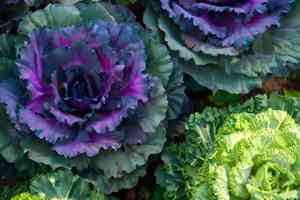
1
Apply a thick layer of mulch around the base of your Cabbage plants to shield their roots from severe cold.
2
Select robust Cabbage varieties such as 'January King' or 'Wintergreen' that flourish in cooler environments.
3
Periodically check your plants for indications of frost damage and pests to guarantee a successful yield.
What is Overwintering Cabbage?
What is Overwintering Cabbage?
Overwintering Cabbage refers to the practice of keeping your Cabbage plants alive through the winter so they can continue growing and be harvested in late winter or early spring. This process is essential for extending your growing season, especially in regions with cold, harsh winters. Overwintering helps you enjoy fresh produce even when other vegetables are not available.
Preparing Cabbage for Overwintering
Choosing the Right Varieties
Selecting the correct Cabbage variety is crucial for successful overwintering. Look for hardy varieties known for their winter tolerance, such as 'January King' or 'Wintergreen.' These types are bred to withstand low temperatures and continue growing well into the colder months.
Soil Preparation
Preparing the soil before planting Cabbage for overwintering is essential. Ensure the soil is well-drained and rich in organic matter. Add compost or well-rotted manure to improve soil fertility and structure. The optimal soil pH for Cabbage is between 6.0 and 7.5.
Planting Time
Timing is everything when it comes to overwintering Cabbage. Plant your Cabbage in late summer or early autumn, allowing them to establish roots before the first frost. This early start gives the plants time to grow strong before winter slows their growth.
How to Protect Cabbage from Frost?
Mulching Techniques
Mulching is an effective way to protect your Cabbage from frost. Apply a thick layer (about 5 cm or 2 inches) of organic mulch such as straw or shredded leaves around the base of your plants. This keeps the soil temperature more consistent and shields the roots from severe cold.
Using Row Covers
Row covers are another excellent method to safeguard your Cabbage from frost. Use lightweight row covers or frost blankets to create a protective barrier over your plants. Secure the covers well to prevent them from being blown away by winter winds.
Watering Practices
Proper watering is essential during the winter months. Water your Cabbage plants deeply but infrequently, ensuring the soil remains moist but not waterlogged. Well-watered plants are more resilient to frost damage than dry ones. Aim to water about 2.5 cm (1 inch) per week.
Monitoring Cabbage During Winter
Regular Inspections
Regular checks on your Cabbage plants during winter are vital. Look for signs of frost damage or stress, such as wilting or discolored leaves. Early detection of problems allows you to take immediate action and save your crop.
Disease and Pest Control
Even in winter, pests and diseases can affect your Cabbage. Keep an eye out for common issues like Cabbage worms or fungal infections. Remove any affected leaves and consider using natural pest deterrents to keep your plants healthy.
Adjusting Soil Conditions
Soil conditions can change during winter. Regularly check soil moisture and pH levels. Adjust watering schedules and consider adding more mulch if necessary. If the soil becomes too compacted, gently loosen it around the plants without disturbing the roots.
When and How to Harvest Overwintered Cabbage?
Optimal Harvest Time
The best time to harvest overwintered Cabbage is in late winter or early spring, depending on your climate. The heads should be firm and well-formed. Harvesting at the right time ensures you get the best flavor and texture.
Harvesting Techniques
Use a sharp knife to cut the Cabbage head at the base. Ensure to leave a few outer leaves on the stem to protect the remaining plant. This method allows the plant to produce new heads or side shoots for additional harvests.
Post-Harvest Storage
After harvesting, store your Cabbage in a cool, dark place with high humidity, such as a root cellar. Proper post-harvest storage is crucial for prolonging the freshness of your Cabbage. They can keep well for several weeks when stored at temperatures around 0°C (32°F) with 90-95% humidity.



