How to Overwinter Queensland bottle tree
1
The Queensland bottle tree thrives in soil that drains effectively, promoting its best development and vitality.
2
Juvenile Queensland bottle trees are more vulnerable to low temperatures and need additional attention.
3
When overwintering indoors, ensure humidity levels are between 40% and 60% to maintain the tree's well-being.
The Importance of Overwintering for the Queensland bottle tree
The Importance of Overwintering for the Queensland bottle tree
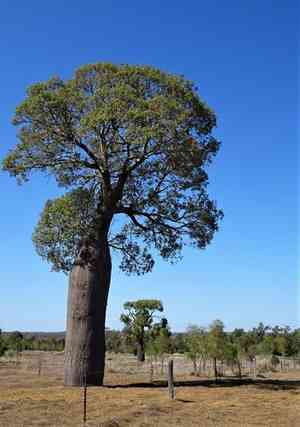
Known for its unique bottle-shaped trunk, the Queensland bottle tree (Brachychiton rupestris) is a remarkable plant native to Australia. Despite its inherent resilience, it lacks frost tolerance and can suffer significantly in cold conditions without proper care. Overwintering is essential for this tree, especially if you reside in an area where winter temperatures fall below 10°C (50°F). By taking appropriate measures to safeguard your tree during colder months, you ensure its continued health and the display of its distinctive form year after year.
Getting Your Queensland bottle tree Ready for Overwintering
Evaluating Your Tree's Health
Before starting the overwintering process, it's vital to assess the health of your Queensland bottle tree. Examine the foliage and trunk for any indications of disease or pests. Healthy leaves should appear green and vibrant, and the trunk should be smooth with no cracks. If you observe any problems, address them promptly to ensure your tree is in optimal condition to endure winter stress.
Selecting the Appropriate Location
Once you've confirmed your tree's good health, decide on its winter placement. For many, this involves relocating the tree indoors. Choose a spot that receives ample sunlight, ideally near a south-facing window. If indoor placement isn't feasible, find a sheltered outdoor area where the tree is protected from strong winds and severe cold.
Indoor Overwintering Advice for the Queensland bottle tree
Optimal Indoor Conditions
When bringing your Queensland bottle tree indoors, aim to replicate its natural environment as closely as possible. This tree thrives in bright, indirect light. Position it near a sunny window, but avoid direct sun exposure which can scorch its leaves. Maintain room temperatures between 18°C and 24°C (65°F and 75°F) to mimic its preferred warmth.
Watering and Humidity Needs
Correctly watering your Queensland bottle tree during winter is critical. Overwatering is a common error that can lead to root rot. Water the tree sparingly, only when the top 5-8 cm (2-3 inches) of soil feel dry to the touch. Additionally, maintaining a moderate humidity level of about 40%-60% helps keep the tree healthy. Consider using a humidifier if the indoor air is very dry.
Pest and Disease Monitoring
Indoor settings can sometimes lead to pest issues. Regularly inspect your Queensland bottle tree for common indoor pests like spider mites or scale insects. Clean the leaves with a damp cloth and treat any infestations promptly with a mild insecticidal soap to prevent the problem from spreading.
Outdoor Overwintering Strategies for Mild Climates
Utilizing Protective Covers
If you reside in a region with mild winters, you can overwinter your Queensland bottle tree outdoors. Use protective coverings such as burlap or frost cloth to wrap the tree, especially during cold snaps. Ensure the cover is secure but allows some air circulation to prevent mold growth.
Mulching Techniques
Another effective method for outdoor overwintering is mulching. Apply a thick layer of organic mulch, such as straw or wood chips, around the tree's base. This helps insulate the roots and maintain a more consistent soil temperature. Avoid piling mulch directly against the trunk, as this can create an environment conducive to pests and rot.
What to Do if Your Queensland bottle tree Shows Signs of Stress
Recognizing Stress Indicators
It is vital to observe your tree for any signs of stress during overwintering. Symptoms might include yellowing leaves, leaf drop, or a soft, mushy trunk. These issues often stem from insufficient lighting, improper watering, or extreme temperature fluctuations.
Immediate Care and Recovery
If your Queensland bottle tree exhibits signs of stress, prompt action is necessary. First, evaluate your watering habits â you might be watering too much or too little. Adjust as needed, ensuring the soil is neither completely dry nor waterlogged. Next, check the tree's light exposure and relocate it to a brighter, indirect light spot if required. Finally, consider misting the leaves to temporarily increase humidity and aid recovery.



