How to Overwinter Paperflower
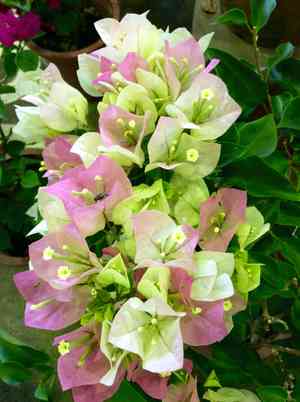
1
Paperflower is susceptible to frost damage, requiring shelter from cold temperatures.
2
Trimming Paperflower prior to winter aids in reducing disease susceptibility and maintaining plant vitality.
3
Ensuring adequate indoor humidity is vital for your Paperflower's well-being throughout the winter season.
Why Does Paperflower Need Special Care in Winter?
Why Does Paperflower Need Special Care in Winter?
Paperflower, celebrated for its vibrant bracts and robust nature in warmer seasons, demands particular attention as winter approaches. This cold-sensitive plant cannot endure freezing temperatures, typically below 4°C (40°F). Without proper care, the cold can harm its roots, stems, and foliage, potentially leading to its demise. Ensuring the plant survives winter involves understanding its susceptibility to cold and implementing suitable protective measures.
Preparation Steps Before Winter
Inspecting the Plant
Prior to moving your Paperflower indoors for winter, a thorough examination is essential. Check for any indications of pests, diseases, or damaged leaves. Early detection and treatment of problems prevent their spread indoors, where they could impact other plants.
Pruning and Cleaning
Pruning Paperflower is vital before winter's onset. Remove any dead or damaged branches to encourage healthier growth. Deadheading spent blooms and trimming back excess foliage can deter disease and make the plant more manageable indoors. Clean the plant by wiping its leaves to remove dust and pests.
Choosing the Right Location
Select an indoor spot that closely replicates the Paperflowerâs natural habitat. A bright area with indirect sunlight is perfect. Avoid drafty locations or spots near heating vents, as sudden temperature fluctuations and dry air can stress the plant.
Indoor Overwintering Techniques
Container Choices and Soil Requirements
When bringing Paperflower indoors, choose a pot that allows for proper drainage to prevent waterlogging. Use a well-draining soil mix, ideally one formulated for cacti or succulents, as Paperflower prefers slightly acidic to neutral pH levels.
Monitoring Temperature and Humidity
Paperflower thrives in temperatures between 15-24°C (60-75°F). Maintain a consistent indoor temperature to avoid stressing the plant. Keeping humidity at 50-60% can be beneficial, so consider using a humidifier or placing a water tray nearby to increase air moisture.
Watering and Fertilizing Practices
Water your Paperflower sparingly during winter. Overwatering can cause root rot, so allow the soil to dry out between waterings. Reduce fertilization during the colder months, as the plant's growth slows. Feeding once monthly with a balanced fertilizer during this period is adequate.
Lighting Conditions and Solutions
Paperflower requires ample light, at least 6 hours of indirect sunlight daily. If natural light is insufficient, use grow lights to ensure the plant receives the necessary illumination. Position the grow light approximately 12-18 inches (30-46 cm) above the plant and keep it on for 12-16 hours a day.
Common Issues and Solutions During Overwintering
Pests and Diseases
Indoor environments can attract pests such as spider mites and aphids. Regularly inspect your Paperflower and treat any infestations promptly with neem oil or insecticidal soap. Ensure good air circulation around the plant to reduce fungal diseases.
Dealing with Leaf Drop
Paperflower may experience leaf shedding due to stress from the indoor transition. Adjusting to consistent care and ideal conditions can help minimize this problem. Ensure the plant isnât exposed to drafts or overwatered, and provide sufficient light.
Preventing Root Rot
Root rot is a frequent issue when the Paperflower is overwatered or the soil lacks proper drainage. To prevent this, allow the top layer of soil to dry before rewatering. Ensure the plantâs container has drainage holes, and avoid letting it sit in standing water.



