How to Overwinter Leatherleaf mahonia
1
Leatherleaf mahonia is recognized for its vivid, holly-like foliage and yellow blossoms that appear in winter.
2
It flourishes in USDA Hardiness Zones 7-9, making it well-suited for areas with mild to moderate winters.
3
Offering protection from wind can greatly lessen frost harm to outdoor Leatherleaf mahonia.
What is Leatherleaf mahonia?
What is Leatherleaf mahonia?
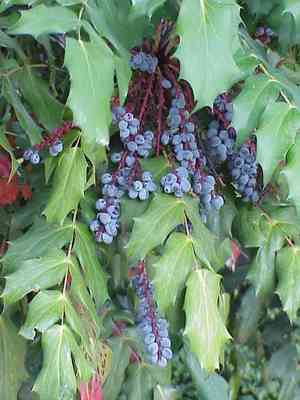
Leatherleaf mahonia, scientifically known as Berberis bealei, is an ornamental shrub prized for its distinct leathery foliage and clusters of bright yellow blooms that emerge in late winter to early spring. This plant belongs to the barberry family and is valued for its striking appearance and its ability to add vibrancy to gardens during the bleak winter months. Typically growing to heights of 1.8-2.4 meters (6-8 feet), Leatherleaf mahonia is a hardy and resilient option for both new and experienced gardeners.
Preparing Leatherleaf mahonia for Winter
Pruning Techniques
Proper trimming is vital for the well-being of your Leatherleaf mahonia as winter approaches. Remove any dead or diseased branches to stop the spread of pathogens. Additionally, cut back any overgrown sections to enhance air circulation and lower the risk of fungal infections. Pruning should occur in early autumn when the plant is still actively growing.
Mulching for Insulation
Mulching offers an effective way to insulate the roots of your Leatherleaf mahonia during winter. Apply a thick layer of organic mulch, such as shredded leaves or straw, around the plant's base. Aim for a depth of approximately 5-7.5 centimeters (2-3 inches) to retain soil moisture and shield the roots from temperature fluctuations.
Watering Needs
Despite the colder weather, it's crucial to keep your Leatherleaf mahonia adequately hydrated. Water the plant thoroughly before the ground freezes to ensure the roots have a sufficient moisture supply. Once winter begins, reduce watering frequency but continue to provide water during dry periods to prevent the soil from completely drying out.
How to Protect Leatherleaf mahonia from Frost Damage?
Using Frost Covers
Frost covers provide a practical solution for protecting your Leatherleaf mahonia from sudden temperature drops. Use breathable fabric covers and secure them around the plant to keep it insulated without restricting airflow. Remember to remove the covers during the day to allow sunlight to reach the plant.
Placing Windbreaks
Wind can worsen frost damage by stripping moisture from leaves and branches. Installing windbreaks, such as garden screens or temporary fencing, can shield your Leatherleaf mahonia from harsh winter winds. Position windbreaks around the plant's perimeter without blocking light access.
Choosing the Right Location
The placement of your Leatherleaf mahonia is critical for its winter survival. Plant it in a spot that offers some natural protection, such as next to a wall or fence that provides partial shelter from wind and frost. South-facing locations are ideal as they receive more sunlight, helping to keep the plant warmer.
Winter Care Tips for Leatherleaf mahonia
Monitoring for Pests
Winter doesn't eliminate the threat of pest infestations. Inspect your Leatherleaf mahonia regularly for signs of pests like aphids or spider mites. If detected, treat the plant with appropriate organic insecticides or horticultural oils to keep pests at bay.
Managing Soil Conditions
Maintaining proper soil conditions is vital for the health of your Leatherleaf mahonia during winter. Ensure the soil remains well-drained to prevent root rot. Avoid overwatering and check for signs of waterlogging, especially after heavy rains or snow melts.
Checking for Snow Load
Heavy snow can cause significant physical harm to Leatherleaf mahonia by weighing down and breaking branches. After a snowfall, gently shake off excess snow accumulation to prevent breakage. It's also helpful to build a simple support structure around the plant to bear the weight of heavy snow.
Signs of Winter Stress in Leatherleaf mahonia
Discoloration
If you notice the leaves of your Leatherleaf mahonia turning yellow or brown, this could indicate winter stress. Discoloration often points to issues like frost damage, poor soil conditions, or insufficient watering.
Wilting Leaves
Wilting leaves can signal that your Leatherleaf mahonia is not receiving enough water or is suffering from root damage due to frozen soil. Regularly check soil moisture levels and adjust your watering schedule accordingly.
Stem Damage
Inspect the stems for any signs of cracking or splitting, which are common symptoms of frost damage. If you detect any stem damage, prune the affected areas to prevent the spread of diseases and encourage healthy growth.



