How to Overwinter Oregon grape
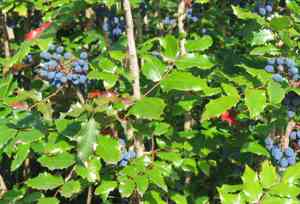
1
Oregon grape is resilient to cold, but young or recently established shrubs require additional protection in winter.
2
Proper mulching offers up to 5°C (10°F) of thermal protection from low temperatures.
3
Oregon grape thrives with somewhat damp soil in winter, but avoid excessive wetness.
Understanding Overwintering for Oregon grape
Understanding Overwintering for Oregon grape
Overwintering refers to the process of preparing and safeguarding plants to endure the colder months. For the Oregon grape, this involves ensuring its health and protection from harsh environmental elements. As a native of the Pacific Northwest, Oregon grape is a resilient evergreen shrub capable of tolerating low temperatures, but proper care enhances its hardiness and guarantees its continued development and vitality. Overwintering includes practices such as trimming, mulching, and providing sufficient water and nutrients, all vital for maintaining the Oregon grape's well-being throughout its dormant period.
Preparation before Winter
When to Start Preparations
To successfully overwinter your Oregon grape, begin preparations in mid to late autumn, around October or November, prior to the first frost. Early preparation helps the plant gradually adapt to falling temperatures, minimizing stress and potential harm.
Essential Supplies
Gathering the correct materials is crucial for effective overwintering. You will need mulch (such as straw, wood chips, or leaves), frost cloths or sheets, gardening gloves, pruning shears, and possibly stakes or frames to support coverings. These items assist in maintaining appropriate temperature and moisture levels around your plant.
Pruning Tips for Oregon grape
Trimming your Oregon grape before winter aids in energy conservation and lowers the risk of diseases. Focus on removing any dead or diseased branches and shape the plant to improve air circulation. Prune sparingly to avoid excessive cutting and causing undue stress to the plant.
Protecting Oregon grape from Frost
Mulching Techniques
Apply a 5-10 cm (2-4 inch) layer of organic material as mulch around the base of the Oregon grape. Mulching helps retain soil moisture, regulates soil temperature, and offers some protection against frost. Cover the root zone thoroughly while keeping mulch slightly away from the trunk to prevent rot.
Covering and Insulating the Plant
During periods of extreme cold, use frost cloths or burlap to cover the Oregon grape. Create a support structure using stakes to hold the cover above the plant, ensuring it does not touch the foliage. Ensure there is adequate airflow to prevent moisture buildup, which can lead to freezing or fungal issues.
Watering and Nutrients during Winter
Watering Schedule for Winter Months
Watering requirements decrease during winter, but it is essential that the soil remains slightly moist. Water your Oregon grape deeply once a month during dry spells in winter. Avoid overwatering, as this can lead to root rot, especially when the ground is cold.
Feeding the Plant in Winter
Fertilizing the Oregon grape in winter is generally not needed, as the plant is in a dormant state. However, applying a slow-release organic fertilizer in late fall can provide necessary nutrients that the plant utilizes gradually during winter, aiding in a more vigorous spring recovery.
Common Problems and Solutions for Winter Care
Identifying Frost Damage
Frost damage in Oregon grape typically appears as blackened or brownish leaves and branches. Monitor your plant regularly and take immediate action if you observe such symptoms. Early detection helps in timely intervention to save the plant.
How to Revive a Frost-Damaged Oregon grape
If your Oregon grape suffers frost damage, prune affected areas once the risk of further frost has passed. Cut back to healthy tissue to encourage new growth. Ensure adequate watering and consider applying a balanced fertilizer in early spring to aid recovery.
Post-Winter Care for Oregon grape
Transitioning Back to Regular Care
As winter concludes and temperatures rise, gradually remove protective coverings and reduce the thickness of the mulch. Water the plant more frequently and begin a regular feeding schedule to encourage new growth and restore vigor.
Assessing Plant Health After Winter
Inspect your Oregon grape for any signs of winter damage, such as weakened branches or indications of disease. Prune any damaged parts and address any emerging issues promptly to prepare your plant for the growing season. Healthy new growth signifies successful overwintering.



