How to Overwinter Hardy begonia
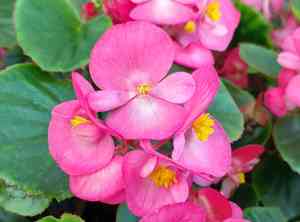
1
Trim the leaves to roughly 2-3 inches (5-7 cm) above the ground to lessen the plant's strain over winter.
2
Hardy begonia 1 tolerates temperatures down to -18°C (0°F), making it ideal for colder regions.
3
Apply a substantial mulch layer, around 5-10 cm (2-4 inches) deep, to protect the roots from winter cold.
What Does 'Overwinter' Mean for Hardy begonia?
What Does 'Overwinter' Mean for Hardy begonia?
Overwintering describes the process of preparing your Hardy begonia for colder months to ensure its survival until spring. Since Hardy begonia is frost-tolerant, it can endure low temperatures, but proper preparation will help it flourish once the weather warms. Overwintering involves steps like cleaning, pruning foliage, and mulching for added protection.
How to Prepare Hardy begonia for Winter
Step 1: Cleaning the Plant
Begin by cleaning the Hardy begonia, removing any dead or yellowed leaves. This action helps prevent diseases and pests from establishing during winter when the plant is more susceptible. You should also check for disease signs and treat them as needed.
Step 2: Cutting Back the Foliage
Trim the foliage to approximately 2-3 inches (5-7 cm) above the soil line. This process reduces plant material that could harbor pests or diseases and helps the plant conserve energy through the winter months.
Step 3: Mulching for Protection
Apply a thick layer of mulch, about 5-10 cm (2-4 inches), over the soil. Mulching acts as an insulating layer, shielding the plant's roots from extreme temperature fluctuations. Use organic materials like straw, leaves, or compost for optimal protection and improved soil quality.
Ideal Conditions for Overwintering Hardy begonia
Temperature Requirements
Hardy begonia can withstand temperatures as low as -18°C (0°F). However, providing some insulation with mulch helps prevent rapid freezing and thawing cycles that can harm the plant's roots.
Light and Humidity Levels
While Hardy begonia is overwintering, it doesnât need much light as it is dormant. A shaded or semi-shaded area is suitable. For humidity, natural outdoor conditions will suffice, but ensure the area isn't excessively damp to prevent mold and rot.
Common Problems and Solutions in Overwintering Hardy begonia
Preventing Rot and Mold
To prevent rot and mold, ensure the soil drains well. Avoid overwatering before winter, as excess moisture can lead to fungal issues. Additionally, maintain good air circulation around the plant.
Dealing with Pests
Inspect your Hardy begonia regularly for pests before winter. Treat any infestations promptly with suitable insecticides or natural remedies. Pests like slugs, snails, and aphids can be particularly troublesome, so stay vigilant.
Post-Winter Care for Hardy begonia
When to Remove Mulch
As temperatures begin to rise in early spring, carefully remove the mulch layer. This step prevents the soil from becoming too warm and wet, which can encourage rot. Perform this task once the risk of frost has passed.
Gradually Exposing to Sunlight
Gradually reintroduce your Hardy begonia to sunlight to prevent shock. Start by exposing it to indirect sunlight and slowly increasing its exposure over one to two weeks. This gradual transition helps the plant acclimate and minimizes stress.
Resuming Regular Watering and Feeding
Once the Hardy begonia shows signs of new growth, resume a regular watering schedule. Begin feeding with a balanced fertilizer to support its recovery and encourage robust growth throughout the growing season.



