How to Overwinter Wax begonia
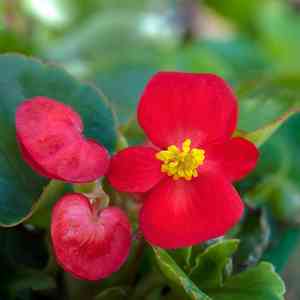
1
Wax begonias are susceptible to frost damage and require protection from freezing conditions.
2
Place Wax begonias in an area receiving ample, diffused light during the colder months.
3
Periodically check for insects to maintain the well-being of your Wax begonia throughout winter.
Why Overwinter Wax begonia?
Why Overwinter Wax begonia?
For garden enthusiasts, preserving your Wax begonia (Begonia cucullata) through colder months is crucial. These lovely, delicate plants are highly susceptible to frost and freezing temperatures. Overwintering enables your Wax begonia to flourish, ensuring it returns vibrant and beautiful in spring. By taking proper steps to safeguard and nurture your plant during winter, you invest in its long-term health and your garden's visual appeal.
Preparing Wax begonia for Overwintering
Assessing Plant Health
Before bringing your Wax begonia indoors for winter, evaluate its overall condition. Check for disease indicators or any unhealthy growth. Robust plants are far more likely to survive winter indoors. Remove any dead or diseased foliage and stems to minimize the spread of issues during the overwintering period.
Cleaning and Pruning
Clean your Wax begonia by gently wiping its leaves to remove dust and debris. This can be done with a soft cloth and lukewarm water. Prune the plant by removing any dead or damaged growth. Trimming back approximately one-third of the plant can also help it adapt to reduced light and indoor conditions.
Inspecting for Pests
Prior to moving your Wax begonia inside, thoroughly inspect it for pests like aphids, spider mites, or mealybugs. Address any infestations with a suitable insecticidal soap or spray. Isolate the plant for several days away from other indoor plants to ensure no pests enter your home.
Choosing Containers
Select a container slightly larger than the plant's current pot to accommodate winter growth. Ensure the container has adequate drainage to prevent waterlogging, which can lead to root rot. Use a well-draining potting mix formulated for indoor plants.
Ideal Overwintering Environment
Indoor Placement
Position your Wax begonia in a spot that receives bright, indirect illumination. A north or east-facing window is often perfect. Avoid direct sunlight, which can scorch leaves, and keep it away from drafts or heating vents that cause temperature fluctuations.
Temperature Requirements
Wax begonias prefer a consistent indoor temperature between 18-24°C (65-75°F). Avoid placing them in areas where temperatures might drop below 10°C (50°F), as this can stress the plant.
Light Conditions
During winter, natural light is often insufficient. Consider supplementing with a grow light for about 12-16 hours daily to maintain the plant's vitality. Position the grow light approximately 30 cm (12 inches) above the plant.
Humidity Control
Indoor air can be quite dry during winter. Maintain humidity levels around 50% for your Wax begonia. Humidity trays or a room humidifier can be beneficial, or you can occasionally mist the plant's leaves with water.
Watering Needs
Water your Wax begonia sparingly in winter as growth slows. Keep the soil slightly moist but never saturated. Ensure the top 2.5-5 cm (1-2 inches) of soil is dry before rewatering. Overwatering can cause root rot.
Monitoring Wax begonia During Winter
Regular Checks
Periodically inspect the leaves, stems, and soil of your Wax begonia for any signs of distress. Look for yellowing foliage, drooping stems, or indications of pests and diseases. Early detection can prevent minor issues from escalating into major problems.
Managing Potential Issues
If you observe problems such as yellowing leaves or moldy soil, it might signal overwatering or insufficient light. Adjust your care routine accordinglyâreduce watering, move the plant to a brighter location, or ensure better air circulation around your Wax begonia.
Adjusting Care as Needed
Observe how your Wax begonia responds to indoor conditions. You may need to modify factors like watering frequency, lighting, or humidity to keep the plant healthy. Flexibility in your care routine can significantly impact its well-being.
Preparing for Spring
Gradually Reintroducing to Outdoor Conditions
As spring temperatures begin to rise, prepare your Wax begonia for its outdoor transition. Gradually acclimate it to the outdoor environment by placing it outside for a few hours daily, progressively increasing the duration over several weeks.
Final Check for Pests and Diseases
Before relocating your Wax begonia back into the garden, conduct a thorough inspection for pests and diseases. Address any issues before the plant interacts with other outdoor plants to prevent widespread infestations.
Optimal Timing for Transition
Wait until the threat of frost has passed before moving your Wax begonia back outdoors. In many areas, this will be after the last expected frost date, typically in late spring. Ensure nighttime temperatures are consistently above 10°C (50°F) to avoid stressing the plant.



