How to Overwinter Malabar spinach
1
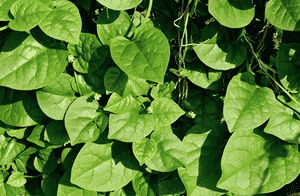
Malabar spinach thrives in temperatures ranging from 18-30°C (65-86°F).
2
This verdant vegetable cannot withstand frost and needs to be brought indoors for the colder months.
3
Trimming Malabar spinach prior to winter encourages robust new growth come springtime.
Why Malabar spinach Needs Overwintering?
Why Malabar spinach Needs Overwintering?
Malabar spinach (Basella alba) is a lovely, tropical climbing plant known for its abundant green foliage and vigorous growth. While it's perfect for your garden in warmer months, this plant cannot withstand frost. When temperatures fall below 10°C (50°F), Malabar spinach struggles to survive. Overwintering is crucial to shield your plant from frost damage and ensure its continued vitality year after year. Understanding and preparing for the specific care this plant needs during colder periods can greatly impact its health and longevity.
Preparing Malabar spinach for Overwintering
Pruning and Cleaning the Plant
Before bringing Malabar spinach indoors, begin by trimming it back. Cut off approximately one-third of the plantâs length, removing any dead or damaged leaves. This promotes new growth and helps the plant conserve energy over the winter. Wiping the leaves and stems with a damp cloth removes dust and potential pests, maintaining a clean and healthy indoor environment.
Inspecting for Pests and Diseases
Thoroughly examine your Malabar spinach for pests and diseases before relocating it indoors. Common pests include aphids, spider mites, and whiteflies. Eliminate any pests found by washing the plant with a gentle insecticidal soap or a mild, soapy water solution. Prevent the transfer of plant diseases indoors by cutting off and discarding any infected plant parts.
Choosing the Right Pot and Soil
Select a pot with adequate drainage to prevent waterlogged soil, which can lead to root rot. A pot with a diameter of about 20-25 centimeters (8-10 inches) is typically sufficient for Malabar spinach. Use a high-quality potting mix that retains moisture but drains effectively. Adding perlite or sand can enhance drainage and prevent soil compaction.
Ideal Indoor Conditions for Overwintering Malabar spinach
Optimal Temperature and Humidity
Malabar spinach thrives in temperatures between 18-24°C (65-75°F). Maintaining the indoor temperature within this range ensures the plant stays comfortable and continues to grow. Humidity levels should be around 60%. You can achieve this by placing a humidifier near the plant, using a pebble tray with water beneath the pot, or regularly misting the leaves.
Light Requirements
This plant flourishes in bright, indirect light. Position your Malabar spinach near a south-facing window where it can receive approximately 6-8 hours of light daily. If natural light is insufficient, especially during shorter winter days, consider supplementing with a grow light. This guarantees the plant gets enough light for healthy growth.
Watering and Fertilizing During Overwintering
Proper Watering Techniques
Water your Malabar spinach moderately, keeping the soil consistently moist but not saturated. Allow the top layer of soil to dry out slightly between waterings to prevent overwatering, which can cause root rot. Use room-temperature water to avoid shocking the roots.
Fertilization Schedule
During winter, Malabar spinach grows more slowly and requires less frequent feeding. A balanced, water-soluble fertilizer diluted to half-strength every four to six weeks is usually sufficient. Avoid over-fertilizing, as this can lead to nutrient burn and harm the plant.
Common Problems and Their Solutions
Yellowing Leaves
Yellowing leaves can indicate overwatering, insufficient light, or nutrient deficiencies. Review your watering routine and ensure the plant receives adequate light. If yellowing persists, consider applying a balanced fertilizer to address potential nutrient shortages.
Wilting
Wilting typically signals underwatering or root issues. First, check if the soil is dry and water the plant appropriately. If the soil is moist but the plant continues to wilt, inspect the roots for signs of rot and adjust your watering practices accordingly.
Pest Infestations
Pest infestations can be minimized by regularly inspecting your Malabar spinach and keeping the foliage clean. If pests are found, treat them promptly with insecticidal soap or neem oil. Ensure you follow the manufacturer's instructions to avoid harming the plant.



