How to Overwinter White wild indigo
1
Applying a 7.5-10 cm (3-4 inches) layer of organic mulch can shield White wild indigo from harsh frost.
2
Confirm the soil drains effectively to avoid root rot in damp winter conditions.
3
White wild indigo tolerates frost, but a frost cover offers additional defense during severe cold snaps.
Understanding White wild indigo and Its Hardiness
Understanding White wild indigo and Its Hardiness
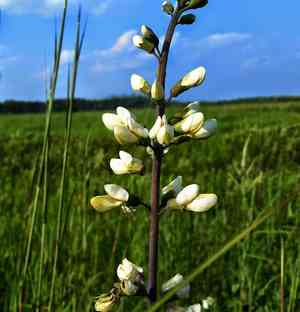
Originating from North America, White wild indigo is a robust perennial that enhances any garden with its striking white blooms and tall, bushy form. It thrives in USDA hardiness zones 3 to 9, demonstrating its capacity to endure a wide range of temperatures. Despite its resilience, proper care is vital to ensure it survives the winter months unharmed. This guide will provide all necessary information to keep your White wild indigo healthy and flourishing as the cold season arrives.
Preparation Tips for Overwintering
Evaluating Plant Health
Before the initial frost, it's essential to assess the health of your White wild indigo. Examine the plant for any indications of disease or pest infestation. Remove any damaged or deceased foliage to prevent disease spread. A healthy plant has a much better chance of surviving winter, making this step fundamental.
Soil Amendments and Mulching
Improving the soil surrounding your White wild indigo is an excellent way to prepare it for winter. Incorporate compost or organic matter into the top 15 cm (6 inches) of soil to boost its nutrient content. Next, apply a thick layer, approximately 7.5-10 cm (3-4 inches), of organic mulch like straw, leaf mold, or wood chips around the plant's base. Mulching helps regulate soil temperature and moisture, providing an insulating layer against frost.
Watering Needs
As winter approaches, decrease watering frequency since White wild indigo requires less water during its dormant period. However, ensure the soil isn't completely dry. Excessively wet soil can be harmful, leading to root rot. Guarantee proper drainage to maintain healthy roots.
Protection Strategies for White wild indigo During Winter
Insulating with Mulch
Beyond soil amendments and mulching, properly insulating your plant is crucial for winter survival. Distribute the mulch evenly around the plant's base, ensuring it extends to the drip line. This will help safeguard the root zone from freezing temperatures.
Using Frost Covers
For additional protection, consider employing frost covers. These are especially useful during extreme cold spells. You can use burlap, frost cloth, or even old blankets to cover your plant. Just remember to remove the covers during the day to allow sunlight and air circulation.
Positioning and Shelter
If your White wild indigo is in a pot, relocating it to a sheltered spot, such as against a house wall or inside a garage, can offer valuable protection from harsh weather. Ensure it's in a location that receives some sunlight but is shielded from strong winds.
What to Expect in Spring
Signs of New Growth
As the weather warms, look for indications of new growth emerging from the soil. White wild indigo will typically produce new shoots in early spring. It's a reassuring sight that confirms your overwintering efforts were successful.
Post-Winter Care
Once new growth is visible, you can gradually remove the mulching layer. Resume regular watering and consider adding a balanced fertilizer to support spring growth. Monitor for any lingering winter damage and prune away any dead or unhealthy parts to encourage healthy development.



