How to Overwinter Japanese laurel
1
The Japanese laurel is resilient and tolerates some cold, but optimal care guarantees its survival through the winter.
2
Checking for pests and diseases routinely before winter arrives can avert future issues.
3
Applying mulch aids in insulating roots and preserving moisture content during freezing periods.
Why Overwinter Japanese laurel?
Why Overwinter Japanese laurel?
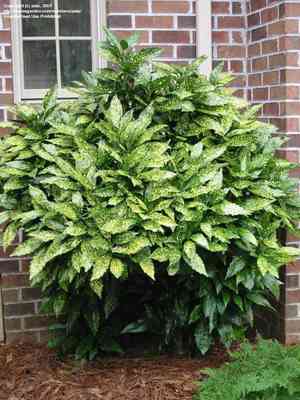
Safeguarding Japanese laurel (Aucuba japonica), an appealing evergreen shrub with vivid green leaves flecked with gold, guarantees its health and vigor for the forthcoming growing season. While Japanese laurel is resilient and can endure frost, providing it with extra attention during colder months can boost its growth and blooming potential. Proper winter care helps shield the plant from harsh winter conditions and primes it for a robust and vibrant spring.
Preparing Japanese laurel for Winter
Pruning Japanese laurel Before Winter
Trimming Japanese laurel is crucial prior to winter's arrival. By eliminating dead or diseased branches, you can prevent infections and encourage new growth in spring. Cut branches back to a strong point, and ensure your pruning tools are clean to avoid spreading diseases.
Inspecting for Pests and Diseases
A thorough check for pests and diseases is vital before winter. Look for indications of pests like aphids or spider mites and treat them promptly with suitable solutions. Early intervention can prevent infestations that are more challenging to manage during winter.
Cleaning and Mulching the Soil
Clearing away any fallen leaves or debris around your Japanese laurel helps to reduce disease risk. Apply a thick layer of mulch (approximately 5-7 cm or 2-3 inches) around the plant's base to insulate the roots, retain moisture, and supply nutrients as the mulch decomposes.
Ideal Conditions for Overwintering Japanese laurel
Temperature Requirements
Japanese laurel can withstand temperatures down to -10°C (14°F), but in colder areas, it's essential to shield them from extreme cold. Bringing potted plants indoors or utilizing frost covers can assist.
Humidity Levels
Maintain moderate humidity levels around your Japanese laurel during winter. Placing a humidifier nearby or a water tray can help, especially in heated indoor environments where the air is dry.
Light Exposure
Japanese laurel requires bright, indirect light during winter. Ensure it receives adequate sunlight by positioning it near a window but avoid direct exposure to prevent leaf scorch.
Watering and Fertilizing Japanese laurel in Winter
Adjusting Watering Frequency
Water Japanese laurel sparingly during winter. Excessive watering can lead to root rot. Allow the top inch or 2.5 cm of soil to dry out between waterings. Always check the soil moisture before watering.
Using Winter-Appropriate Fertilizers
Reduce the frequency of fertilization during winter as the plant's growth slows. Use a balanced, slow-release fertilizer sparingly in fall to prepare the Japanese laurel for the winter months.
Protecting Japanese laurel Against Frost
Using Frost Blankets and Covers
Frost blankets and covers are effective in protecting Japanese laurel from frost. Cover the plant during the night and uncover it during the day to allow sufficient air circulation and light exposure.
Positioning Plants to Avoid Frost Damage
Position your Japanese laurel in a sheltered spot, such as near a wall or inside a greenhouse, to shield it from cold winds and frost. For container plants, move them to an unheated garage or basement.
Common Mistakes to Avoid When Overwintering Japanese laurel
Overwatering
Avoid overwatering as it can lead to root rot. Ensure the soil remains slightly dry between watering sessions to maintain healthy roots during winter.
Incorrect Pruning
Incorrect or excessive pruning can stress the plant. Follow proper pruning techniques, removing only unhealthy or dead branches, and avoid heavy pruning right before winter.



