How to Overwinter Butterfly weed
1
Butterfly weed is a perennial, meaning it returns annually with appropriate maintenance.
2
This resilient plant withstands frost but thrives with added defense in severe winters.
3
Early spring checks for damage are vital to guarantee robust development.
What Makes Butterfly weed Hardy?
What Makes Butterfly weed Hardy?
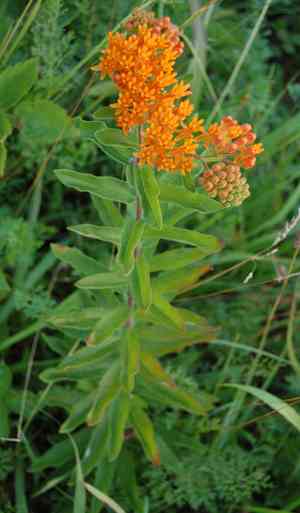
Gardeners appreciate Butterfly weed for its lovely orange blooms and its robust nature. A notable characteristic of Butterfly weed is its resilience. This perennial plant is remarkably resistant to colder temperatures, thanks to its deep root system. When considering overwintering your Butterfly weed, this hardiness benefits you as the plant can endure frost and return with vibrant flowers in the spring. Butterfly weed is especially suited for regions with cold winters due to these tough attributes.
Preparing Butterfly weed for Winter
Pruning Guidelines
Pruning plays a key role in readying your Butterfly weed for winter. In late autumn, after the plant has finished flowering and before the initial frost, use clean garden shears to cut the stems back to approximately 5-10 centimeters (2-4 inches) above the ground. This step reduces the plantâs size, making it simpler to manage and helping it conserve energy during the cold period. Be sure to remove any dead or diseased plant material to prevent winter pests from settling in your garden.
Mulching Techniques
Mulching is another crucial step in winter preparation. After pruning, apply a deep layer of mulch around the base of the Butterfly weed. Spread a 5-10 centimeters (2-4 inches) thick layer of organic mulch, such as straw, wood chips, or leaf litter. This covering helps insulate the soil, keeps the roots warmer, and retains moisture during winter. Just remember to keep the mulch slightly away from the plant's base to prevent rot or mildew.
Watering Habits
Your watering practices will also be vital. In the weeks leading up to the winter months, ensure your Butterfly weed is adequately watered, especially if your area is experiencing a dry spell. While established plants do tolerate drought, sufficient moisture before the ground freezes helps the plant survive the winter. However, be careful not to overwater, as standing water can lead to root rot or other fungal issues.
How to Protect Butterfly weed During Harsh Frosts?
Use of Frost Covers
When particularly severe frosts are anticipated, using frost covers can provide an additional layer of protection for your Butterfly weed. Frost covers, or garden fleece, can be draped over the plant to shield it from frost damage. These covers work by trapping heat from the ground, creating a warmer microenvironment. Be sure to secure the edges to prevent cold air from entering.
Placement Against Wind
Wind can also be a formidable adversary during winter. Positioning your Butterfly weed in a sheltered spot against a wall or fence can reduce wind damage. If this is not feasible, consider using windbreaks like stakes with burlap to create a barrier that lessens wind exposure.
Spring Care for Overwintered Butterfly weed
When to Uncover
As temperatures begin to rise in early spring, itâs time to consider uncovering your Butterfly weed. Start by gradually removing any mulch and frost covers as the threat of frost diminishes. This gradual process allows the plant to re-acclimate to the outdoor environment without sudden exposure to cold snaps.
First Fertilization
Around mid-spring, you can consider the initial fertilization to encourage new growth. Apply a balanced, slow-release fertilizer according to package instructions to give your Butterfly weed a nutrient boost. This helps the plant regain its vigor and prepares it for the upcoming growing season.
Inspecting for Damage
After uncovering the plant, thoroughly inspect it for any winter damage. Look for signs of rot, frost damage, or pests. Prune away any damaged parts to prevent disease and promote healthy growth. Keeping a close eye on your Butterfly weed at this stage ensures it recovers well from the winter months.



