How to Overwinter Goat's beard
1
Goat's beard tolerates frost and endures low temperatures if cared for correctly.
2
Trimming Goat's beard in late autumn aids in preventing decay and illness over winter.
3
Applying mulch to your Goat's beard insulates its roots and holds moisture through severe winter periods.
What is Goat's beard?
What is Goat's beard?
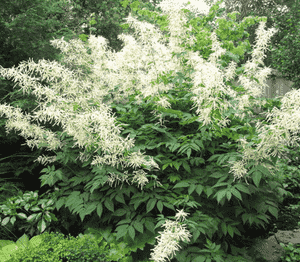
Goat's beard (Aruncus dioicus) is a robust perennial plant recognized for its abundant, plume-like white flowers that appear in late spring and early summer. Originating from temperate zones in the Northern Hemisphere, it flourishes in damp, shaded environments, making it a favored option for gardeners aiming to enhance their shaded garden beds with elegance. It is an outdoor plant and notably requires minimal upkeep, making it a popular choice for both new and experienced gardeners.
Preparing Goat's beard for Winter
Pruning and Cutting Back
One of the most crucial actions in getting Goat's beard ready for winter is trimming. In late autumn, once the flowering period concludes and the leaves begin to wither, you should cut the plant back to approximately 10 cm (4 inches) from the soil. This helps eliminate any dead or diseased foliage, which could harbor pests or diseases throughout winter. Pruning also lessens the plant's susceptibility to heavy snow or ice damage.
Mulching and Insulating
Following pruning, mulching is the subsequent vital step. Apply a thick layer of organic mulch, such as straw, wood chips, or shredded leaves, around the plant's base. A depth of about 7-10 cm (3-4 inches) of mulch will help insulate the roots, retain moisture, and prevent damaging freeze-thaw cycles in the ground. Mulching also enriches the soil as it breaks down, supplying essential nutrients for the plant when it resumes growth in spring.
Pests and Diseases to Watch for in Winter
Common Winter Pests
Although Goat's beard is less prone to common pests during the colder months, it's important to remain watchful. Pests such as slugs, snails, and certain types of borers might still pose a threat. Regularly inspect the plant's base and manually remove any visible pests. Installing physical barriers, like copper tape for slugs, can also help protect Goat's beard from these winter nuisances.
Preventing Fungal Infections
Fungal infections can be particularly troublesome during the moist winter months. To prevent fungal issues, ensure good air circulation around the plant by keeping it pruned and avoiding excessive mulching. Refrain from overhead watering and direct moisture away from the plant's base. Consider applying a fungicide safe for perennials if you've experienced persistent fungal problems in previous seasons.



